Let er buck!

This is a controversial subject in the horse world and always will be. Everyone does things differently. Some things work for others that don’t work for the rest. That’s life. “There’s more than one way to skin a cat” is a term that speaks the truth yet a little grotesque for my tastes but it applies here.

Some believe the never let their horse buck and it will tech them not to be allowed to buck when riding. To each their own but these folks are usually the ones that ask me how to get their horse to stop bucking after “Biscuit just started to buck one day and hasn’t stopped”.

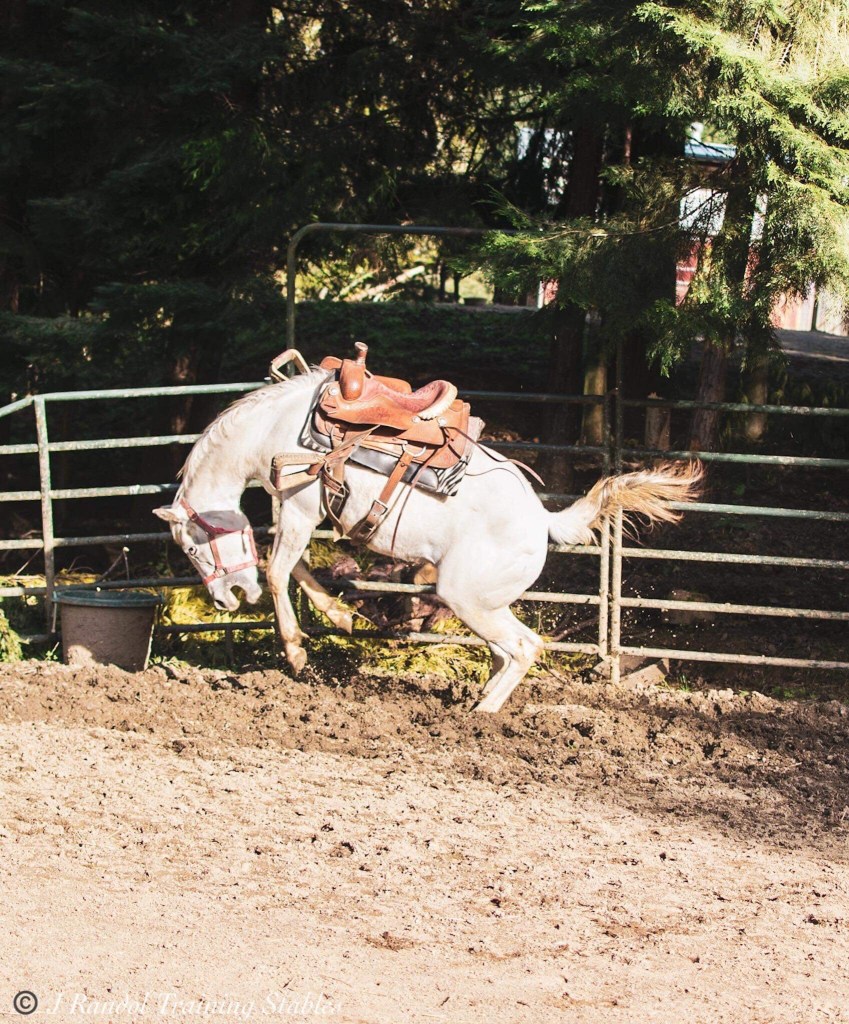
My advice is simple. Let them do it, chase them when they do so it makes them work harder and soon you will have a horse that realizes ON IT’S OWN that’s a lot of work. Babies love to buck and play let them! Once they get it out they will be focused. You try to stop them from doing it they will be thinking about it instead of you.

First saddling, yes I let them buck and once they stop I praise them. My methods are built on letting the horse figure it out for himself what works and what doesn’t. I’m there to praise and reward when they are doing a good job and being “good citizens”. My praise is to have the horse stop and stand. This also enforces good brake pedal and my voice command stop (which is another discussion and something I like to teach at clinics).

Next time your horse wants to cut loose let them! I much rather they get it out before we put a leg over don’t you?

“Setting up to succeed” starts from the ground
Low and slow

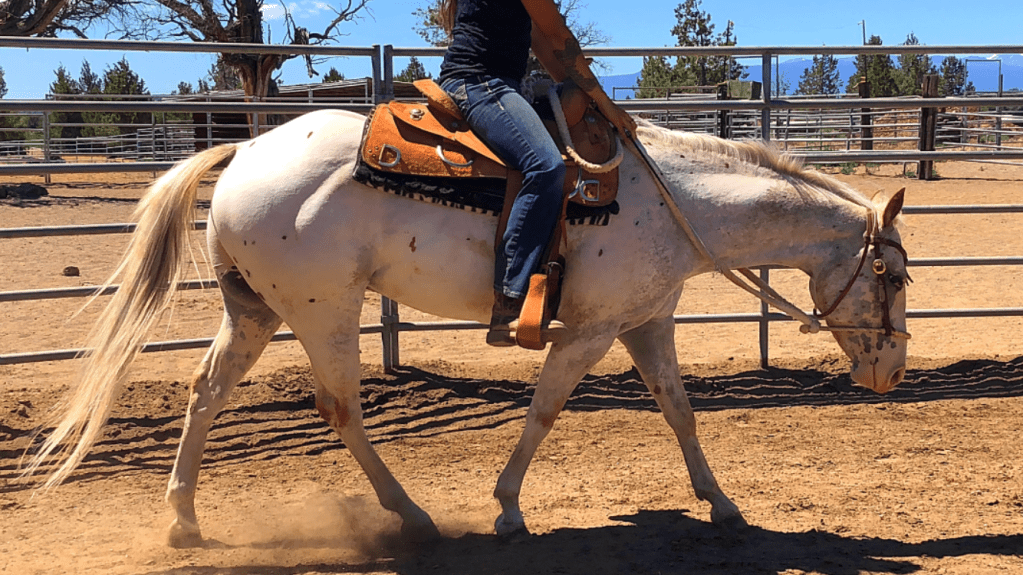
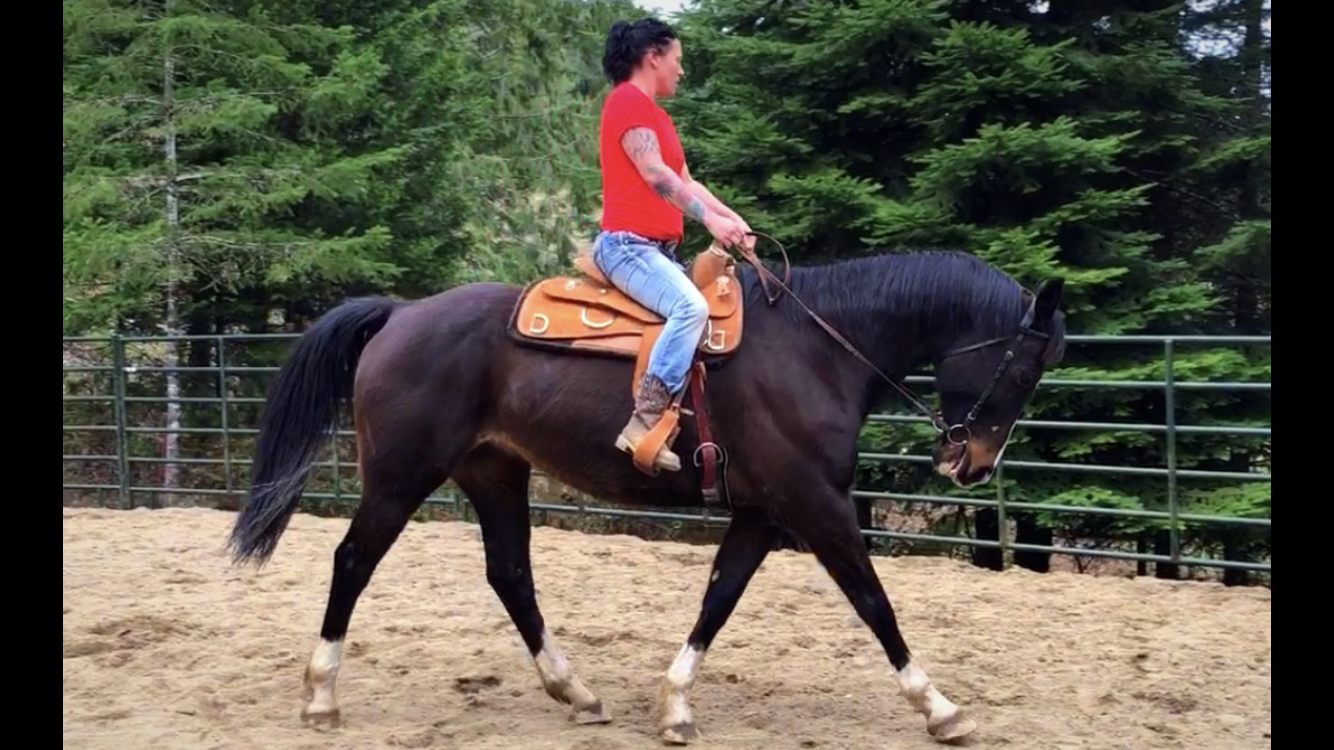
We all like the relaxed, natural head carriage. I use the words natural and head carriage instead of “head set” because my horses do it on their own from learning it on the ground to being rewarded when they are being ridden and holding their head naturally low, relaxed and comfortable. I don’t use straps or ties to get them to do it forcefully. It’s all learned from the ground then praised when ridden. It’s a longer process how I achieve it that I explain in person at my clinics. Today I’m just giving you an overview of why I teach this “low and slow” and how it effects the horse in a positive way which promotes calmness and fluidity in movement.

I first start out with lunging normally. The horses are young and want to buck and play in the beginning I don’t hinder that. Let them get it out so they can “find their brain” and be ready to learn. Once they know what to expect when lunging (going in a circle on a line or loose in a round pen) I lunge them until I see signs of relaxation. These signs will be brief so I keep a close eye and when I see what I’m looking for I ask them to stop and stand. this helps them process what they just learned and not feel rushed into the next step.

This is where I see the most mistakes with people who have lunging issues or non relaxed animals. They don’t stop their horse they run ahead of it and make it change directions multiple times while lunging. This, in my opinion, isn’t doing anyone any good. This raises the horses blood pressure, adds anxiety, and doesn’t allow the horse to process or learn. This is also very hard on young horses legs to stop fast and turn repeatedly while lunging. It’s a common mistake that I see every time I visit a boarding stable.

That being said once the horse has been standing patiently I then reverse the horse and ask to change directions and lunge again until I see the relaxed signs then stop and we are done. The time frame all depends on the horse. I’m not a “clock watcher” I end when the horse is ready weather it takes 20 minutes or two hours. I’m on the horses time.

Once a horse is moving naturally relaxed, low head carriage and attention on me I start to incorporate that same carriage while under saddle. This way as a young horse learning to be ridden it will still carry itself relaxed and low. This type of body posture for the horse builds his back up and allows him to carry a rider with ease. He’s using his hips to power himself, his neck, level with his back, for balance and his back is arched and strong under the rider. He will have developed muscles from ground work of learning how to move this way well before being saddled so he’s prepared physically before being ridden.

This is another example of how my methods “set horses up to succeed” from starting always with ground work.

Conditioning

How do people seemingly “sculpt” their horses? Take the AQHA (quarter horse) for example. Same breed but so many variations!

Well most horses are built for their “jobs”. Just like us they adapt and become stronger due to what their daily routine is. A broodmare is going to be very different from a barrel horse due to daily routine and what is demanded of them. Same with reining horses v.s jumpers. Same breed but opposite builds due to their jobs. Horses are bred a certain way in order to be successful in their careers. For instance you wouldn’t ask a reining horse to jump Grand Prix or vice versus.

We condition each horse differently to better prepare them for their busy season which is spring and summer. Competitions, nice weather and colt starting cones with nice weather. Let’s do our best to “set our horses up to succeed”.

In the spring we don’t just expect our “pasture potato” who thinks their new job is to be a glorified, braided lawn mower, to go compete the next day and win. There’s steps and a schedule of customized workouts leading up to success. They are athletes and have to be built up slowly as such. Without conditioning properly you can cause serious injury to the animal.

To start out any horse I like to do a lot of trotting to build up muscle and slowly increase endurance. Trotting is a balanced gait and helps ease the horse into work again. I don’t lope them the first two weeks nor do I ask them to work for a specific time. I watch their bodies and go at their pace. I see veins coming out but no sweat yet, then reverse go the other way same number of laps and by then their chest is sweaty but nothing excessive. We stop then walk out until cool then end our lesson. I work them every other day to help with muscle soreness they get a day in between of rest and pasture turn out to stretch. Each day they get into better condition and the workouts are longer. After three weeks of trotting only I ask for the lope two laps each way. Loping or cantering help develop the horses wind and endurance. The more loping you do the leaner the muscle on the horse. More trotting then you’ll add bulk. I always offer my horses water after cooled off before going in their stalls. This way I can monitor how hydrated they are and if they are very thirsty I’ll add electrolytes in their grain post workout to help replenish their bodies of lost salts from workouts.

“No pain no gain!” Isn’t always true. I like to think more along the lines of “slow and steady wins the race” with this schedule in order to get them to their peak condition in time for summer. Diet is also a major factor just like athletes you’re not going to make progress very well if you don’t eat right or give your body what it needs to succeed. Same with horses. Develop a customized feed plan for each horse, after all they are athletes even if they are trail horses.

Meet “Lefty” and “Righty”

Horses are prey animals, therefore have eyes on the sides of their head. This allows them to see more of their surroundings to better prepare for a predator. In order to not be some kitty cats lunch they have to be alert at all times. If they don’t react to a stick breaking that could be the pause that costs them their lives. The spookiest horse is the safest horse in the wild.

Having eyes on the sides of their head provides great advantage for larger view area but they can not see directly in front or behind them. Everyone and everything has a weakness. This is theirs. That’s why horses when alert will move their heads constantly to be able to literally see everything! No more blind spot if they keep surveying for danger! They see two different pictures instead of one like us.

We are predators. We hunt, we eat meat. Being Hunters we see one picture and we have depth perception which helps us judge distance for accuracy. Our weakness is that we can’t see behind us at all. Predators don’t usually need to see behind them because they are superior and odds are, nothing’s hunting us. Unless is mister kitty cat then we and the horses are both SOL if we don’t have a weapon haha!

Horses judge us and are natural fearful of us due to the fact our eyes are placed in front of our faces not on the side like them. They immediately know we are predators. That’s why while training we turn to not directly face the horse when building trust and so he can only see one eye of ours. This body posture shows him we aren’t hunting him and don’t mean to harm him.

Horses are two-in-one if you will. You e got the right side “Righty” we will call him and “Lefty” the left side. They will learn a task like leading from the left side and be a pro but you try the same thing on the right and you meet the stubborn “Righty” side or “off side”. This one is not as forgiving as “Lefty” since we naturally do almost everything on the left side, the right feels left out. So, as trainers and horse folks we do as much, or try to, on both sides to keep the horse balanced. By nature the horse will prefer one side or the other just like humans being right handed or left. Expect to introduce something to the other side as if he’s never seen it because, well, he hasn’t!

Q: Do horses have depth perception? Meaning can they judge distances?

A: no they just “run now, look later”. Horses don’t see depths because of where their eyes are placed unlike us. If you want to see what horses see, cover one eye. Weird huh? Now you won’t be so judgmental when your horse thinks a small ditch is the Grand Canyon!

“Understanding, Patience and a sense of humor” go a long way when working with these amazing animals.

How can horses sleep standing up?

Don’t you wish you could sleep standing up sometimes?! All you’d need to pull it off is a pair of dark sunglasses, and of course no snoring!

Horses sleep standing up because they are prey animals and rely on flight to keep them alive. This means the horses greatest defense is to run if faced with a dangerous situation. This has worked and kept them alive throughout the centuries. They live on a “run now, look later” philosophy yet everyone must rest sometime. Horses catch their “z’s” in two types of ways. One, is the “cat nap” per day, where you see them standing, weight shifted off one hind leg, head low and ears lopped. My favorite term for this expression is “airplane ears” because the ears go almost straight out to the side on some horses and it’s too adorable not to notice! They are relaxed and “recharging their batteries” while still not allowing themselves to be vulnerable.

Horses can sleep standing up because they are designed with legs that don’t fatigue over long periods of time standing up. With that being said here’s the question:

Q: do horses have muscles below their knee and hock (hind leg knee)?

A: the answer, is no! Only tendons! Isn’t that crazy?! But that design helps their legs to not grow tired over long rides or standing all day. Muscles require more blood flow, more energy than tendons. Not having muscles the leg can support the casual sleeping horse with ease!

Horses do, however, need three hours of deep sleep a day to fully rest. Usually you’ll see them asleep with a pasture mate standing guard for safety. This is a wild horse safety behavior that even domestic horses demonstrate today. With the horse standing guard over their highly vulnerable friend, they can alert the sleeping herd mate of anything questionable. Once one is rested they take turns and the guard horse gets to nap now, normally in the early afternoon in the sun after breakfast. It’s truly the most peaceful behavior to witness.

Next time your horse sleeps in your company just know he feels very safe and that’s the best gift you can give him.

Fun fact!

Yawning.

We all know how contagious yawning is. Just reading this right now you’re fighting back the urge to yawn. It’s ok I’ll give you a minute because, I too, am at the mercy of this funny reaction!

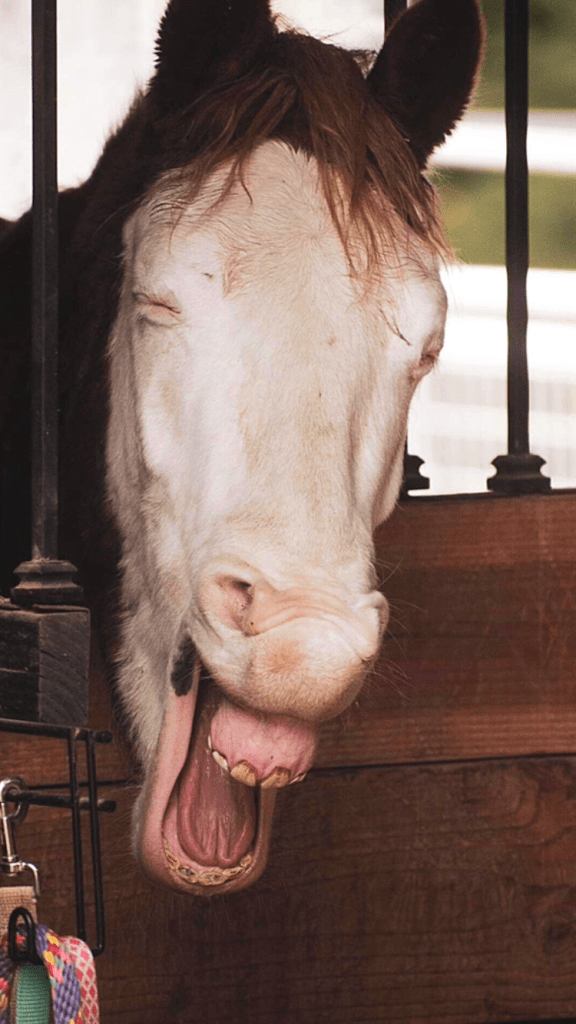
Alright now we are ready! So, why do horses yawn? They are not actually tired. They are releasing endorphins after built up stress from an event or training. This means they are relaxing and decompressing. Yawning also helps them if they aren’t getting enough oxygen just like us it’s an subconscious reaction in order to bring oxygen levels up. So don’t worry, yawning is a good thing!

Horse history fun fact!

Alright, we’ve all bridled our horse and forgot to buckle our throat latch but didn’t notice until we were already on our horse, or maybe that’s just me? Years ago, when I still bounced when I fell off, no I didn’t get off of my horse that’s too much effort right? So I stood up in my stirrups, leaned as far forward as I possibly could to reach the dangling pieces. Meanwhile the saddle horn is snuggly nestled into my abdomen and my horse thinks this is a great time to drop his head to eat… really I’m not kidding! About this time I turn into a lawn dart and off I go bridle and all. It was at that moment, as I was looking up at my horse seemingly laughing at my failed attempt to not end up on the ground there I was despite it all. Moral of the story is if the throat latch was fastened, the bridle would’t have come off and neither would I.
The throat latch on the bridle was designed back in the day when horses were part of the infantry. Horses were used to gain an upper hand in battles. Our opponents out smarted us when they would rip off the horses bridles so the soldiers had no other choice but to get down off their horse due to lack of control and fight fairly. This is when the throat latch was designed. It’s sole purpose is to keep the bridle on the horses face no matter what. It’s also the name of the part of the horse that it goes around! Right behind the jaw of the horse and beginning of the throat is referred to as the throat latch as well! Now you can’t forget… you’re welcome.

So now, many years later I demonstrated how fully functioning this tiny strap on the bridle is and how important it’s purpose is, still to this day!

The art of growing that long, thick tail is easier than you think!

We all love a long, thick tail on a horse but how? Three simple steps!

1). Feeding a proper diet and supplementing BIOTIN helps aid in hair and hoof health.

*fun fact! Did you know that Biotin helps strengthen hair? Horses hooves are made of compressed hair! That’s why biotin helps hooves grow and become healthier too!

2). Keep the tail clean before braiding and wrapping. This will reduce breakage and matted hair.

3). Wrap with vet wrap. Why vet wrap and not a tail bag? Well, in a tail bag there’s a lot of air which dries out the tail. Horses also tend to pull the bags off over time you’ll find them in their stalls usually pooped on (we’ve all been there! Then we have a moment of silence for that once vibrantly colored, pretty bag that’s now all shades of green…). But instead, with vet wrap the wrap keeps it clean and dry but not allowing so much air to dry it out so the tail can grow to it’s full potential!

– be careful to NEVER WRAP THE TAIL BONE! If you wrap the tailbone you can cut off circulation and the tail will fall off!

This is how it’s done, wash the tail, let it dry for an hour or two, braid it, then bring the e d of the tail up through the top of the braid as if to fold it. Then start wrapping with vet wrap of your chosen color. The trick of this whole method is to secure the wrap so it stays on! How? Well, many miss this vital step so listen carefully. Once you’ve wrapped the tail and the bottom of the tail thoroughly so it’s in a little sock per-say, take the wrap, open the same hole you put the bottom of the tail through at the top of the braid and thread your vet wrap through that then continue wrapping the tail until you run out of wrap. Squeeze it all together with your hands to make sure the wrap is not going anywhere and boom! You’ve done it! Don’t feel bad if it looks funny or akward you’ll get the hang of it the more you do it. Now leave it in for two months at a time then repeat! I personally cut about two inches off the tail ends every time I take it out to do a new wrap to ensure no split ends and full healthy tail. If you stay now you’ll be very pleased with your masterpiece come spring!

Western dressage is just square dancing for horses!

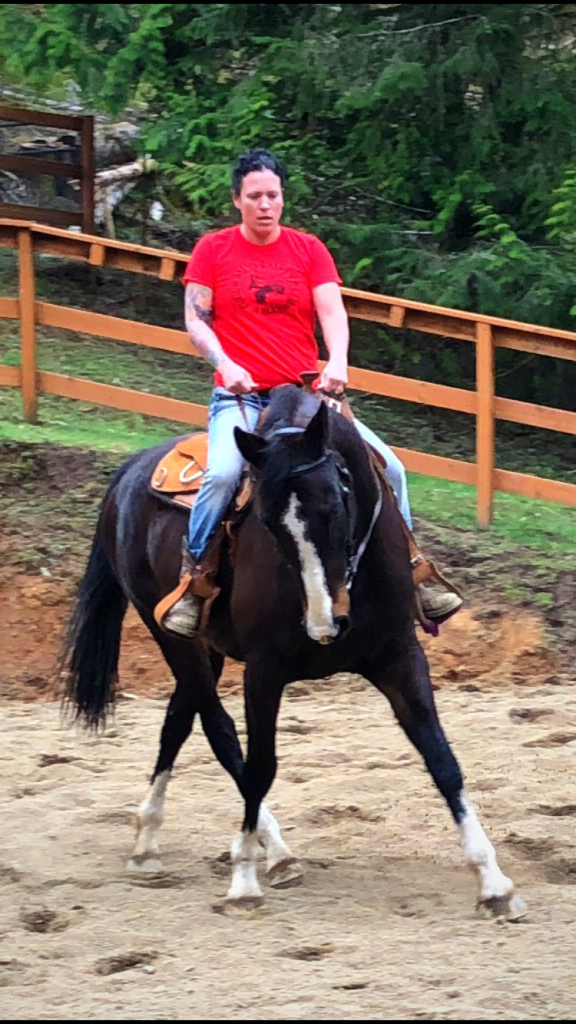
Dressage basics are often taught while using and English bridle and western saddle. Just because your in a western saddle doesn’t mean the maneuvers are any different. You’re just schooling. Relax and enjoy the ride! It’s fun to think about it as a square dance performance. There’s a series of well executed steps and maneuvers which are also memorized in a pattern or sequence. These basics such as two- tracking, shoulder in and shoulder out, stopping at a halt while all four feet are square, meaning in line with the parallel leg. This shows balance and control. If you watch a horse and rider going through their pattern it’s as if they are dancing! Riding the pattern feels as if you’re communicating completely by mental telepathy! The feeling of being in sync with a horse 10x your size is unmatched! All horses can benefit from dressage basics to help gain better body control and balance. It’s a workout for both horse and rider so be ready! “I could have missed the pain but I would have missed the dance”- Garth Brooks

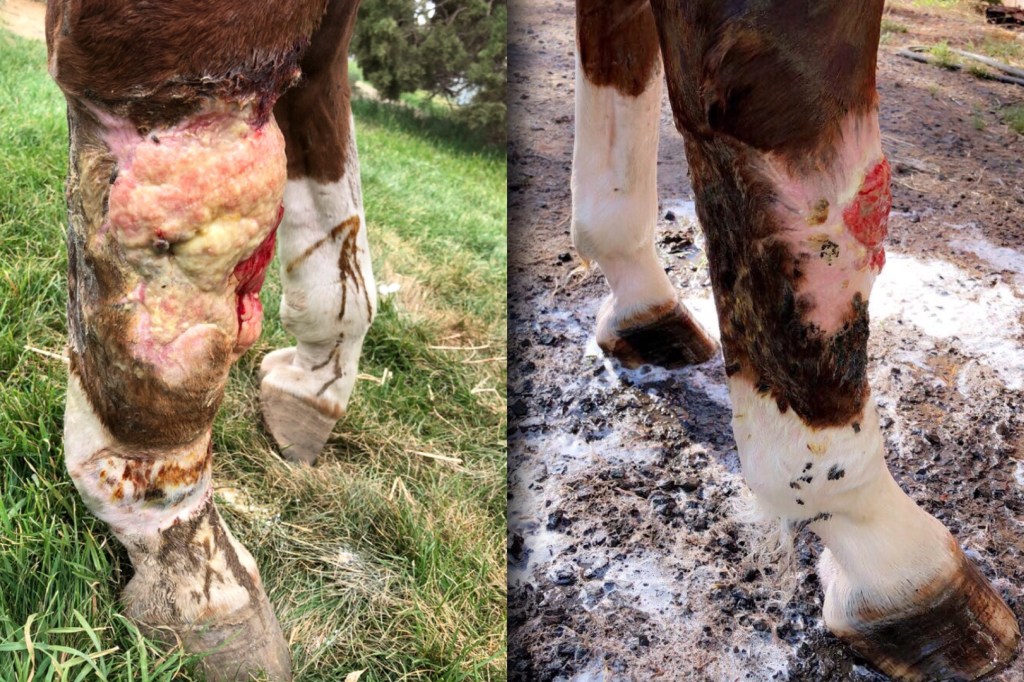
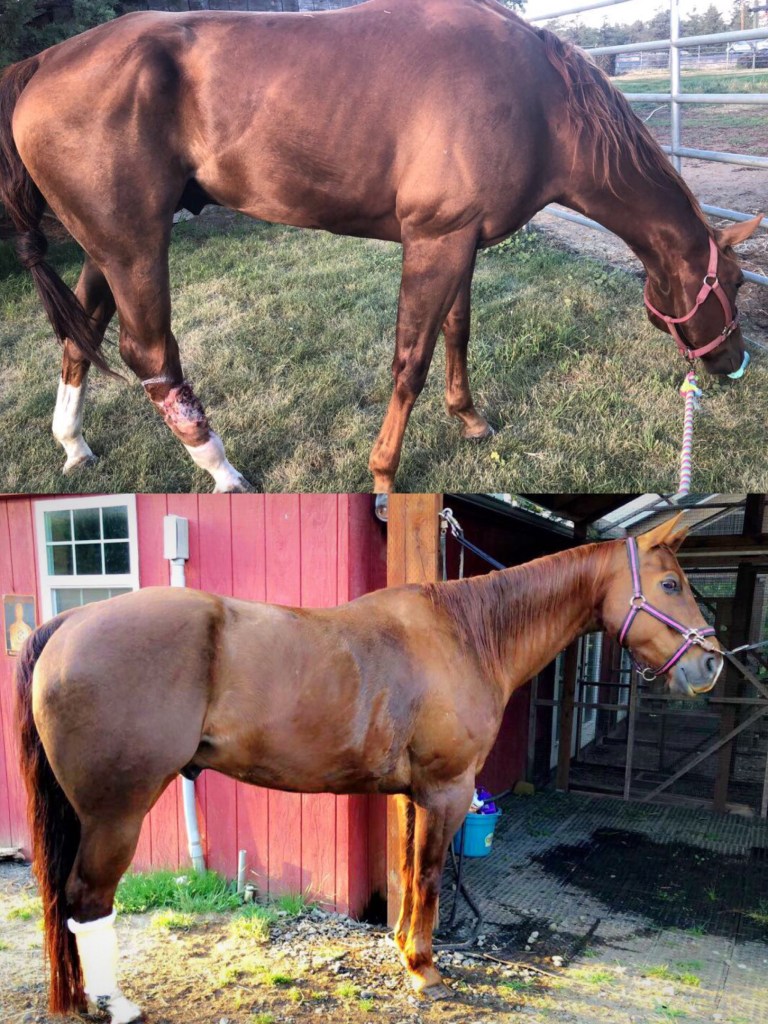
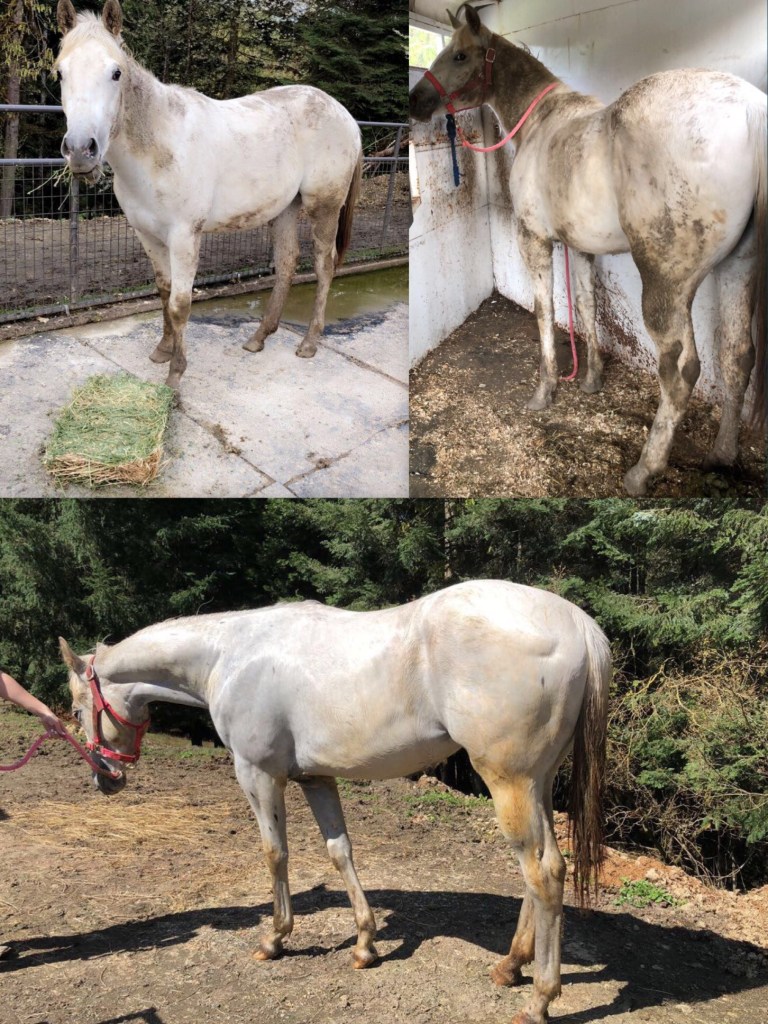
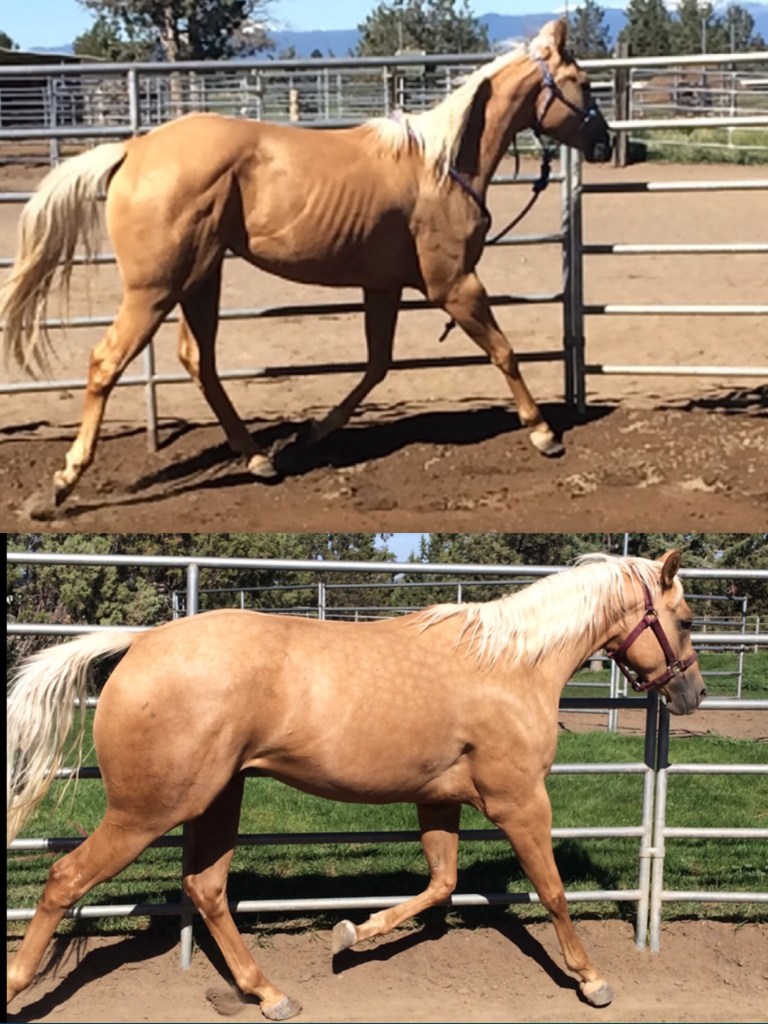
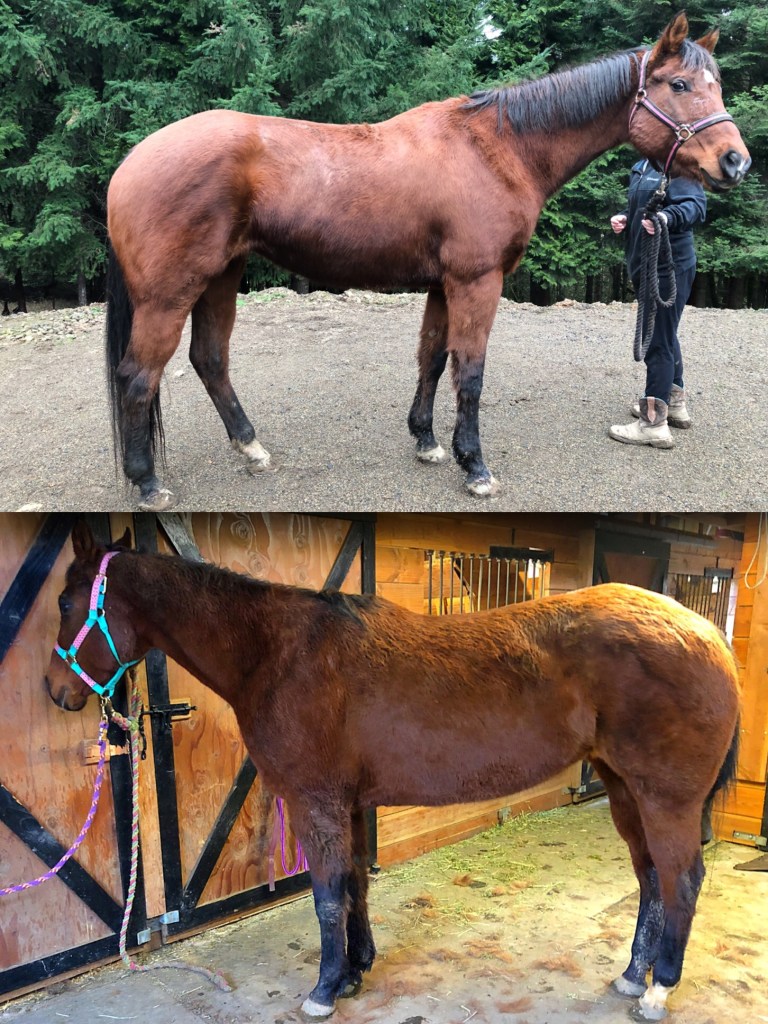
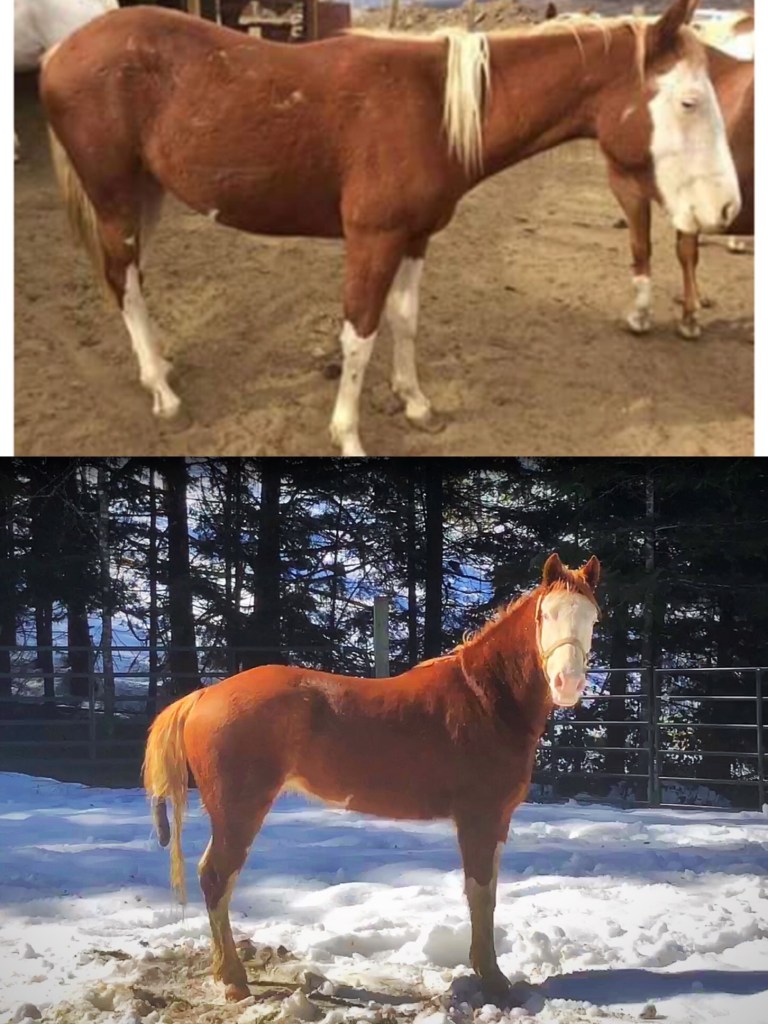
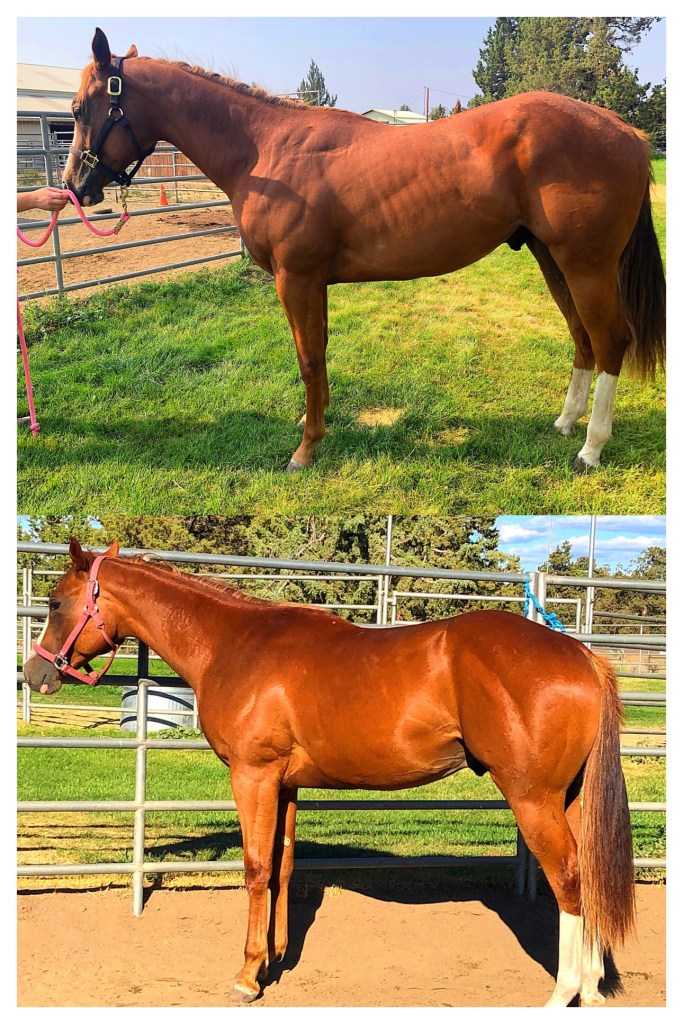
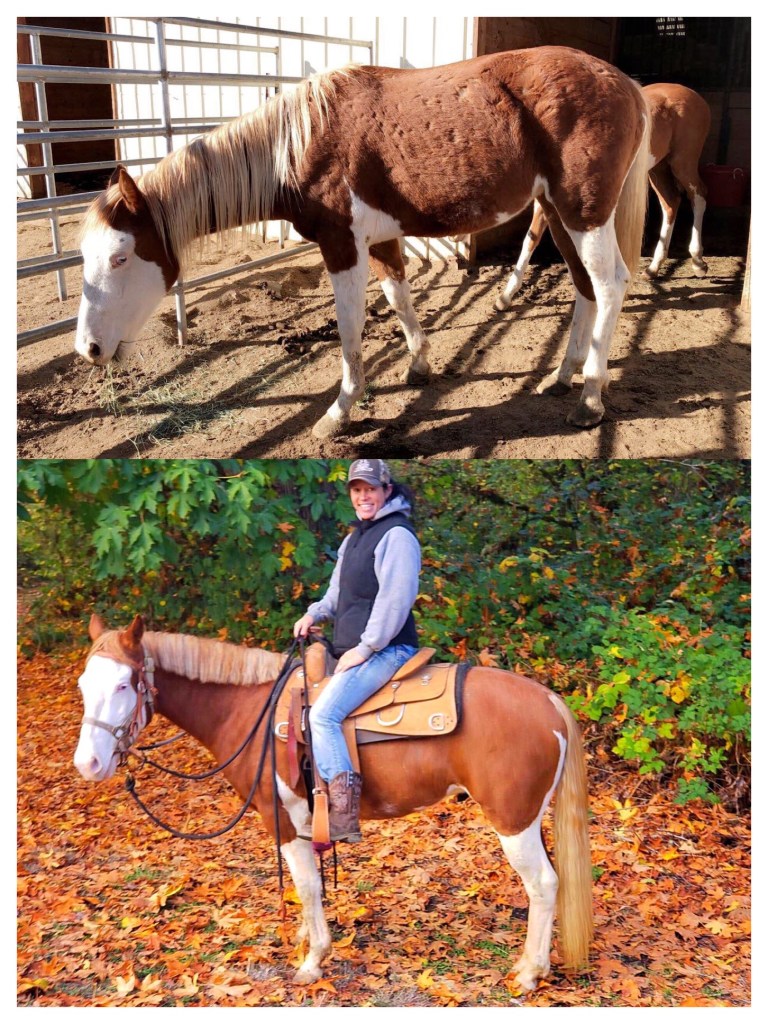
Some of my transformations over the years

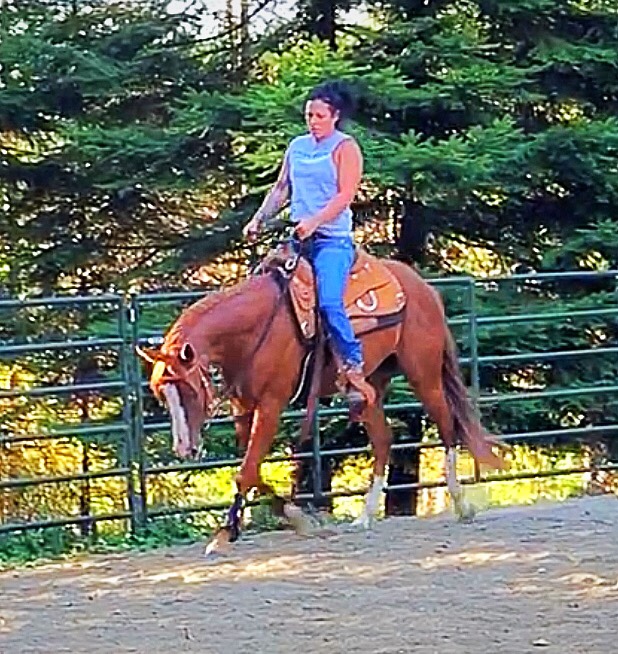
I obtain all my horses through word of mouth. I never shop for horses they find their way to me. I specialize in rehabilitation with diet and fitness plans to achieve the highest level of health in a short time. There’s also training transformations. I often get horses people give up on, deem dangerous or have severe PTSD or depression. We work through these issues, find the cause of the problem and work together towards achieving their happiness. Horses can’t fully recover physically if they aren’t 100% mentally These photos are a mixture client owned horses and personal horses. Once my personal projects are rehabbed I help them find their forever homes. All these horses are living happy lives now.