The first ride

The youngsters first ride should be as eventful as movie night with granny. What I mean by that is simply this, grandmas house is familiar, comfortable and you know what to expect. Low stress and you know you belong there. Keep that in mind when starting the process to swing the first leg over a young horse.

Think to yourself, is the horse prepared? Is the horse comfortable? Is the horse ready? Did you TAKE YOUR TIME setting this horse up to succeed? All these questions will, in the end, be answered by your horse. If the horse is thinking and not reacting you did your job well. If the horse takes off bucking and obviously not ready then you need to focus on basics longer.

Some people turn the horse’s head to their saddle before getting on in order to keep the horse from blowing up while they get on for the first time. I don’t agree with this personally. My reasoning being, if you’re afraid of the horse reacting you didn’t do your ground work long enough or detailed enough. Horses should stand quietly for mounting and dismounting, on a loose rein, head and neck in a relaxed position as if they’ve done this their whole lives. If you have the horse’s head turned to get on you’re focusing on the left eye and leaving the right eye out. Once you give that horse their head that right eye will eventually see you up there and that’s where the reaction kicks in. But by then you gotta ride it out and lay in the bed you made yourself.

Rushing leaves holes in the horse’s foundation and therefore not doing the horse justice and possibly creating bad habits down the road.

Moral of the story if you ask yourself this question, “am I 100% sure this horse will remain relaxed when I first throw a leg over?” before you get on for the first time and answer it “no”. Do more groundwork. It never hurts.

Different strokes for different folks!

When it comes to feeding we all know that all animals have different needs. Some products that work well for others may not work at all for your animal. It’s about trial and error. It doesn’t mean you don’t take good care of your horse if someone else’s horse looks better they just found a formula that works for them. Heed their advice, give it a try and keep in mind your horse as an individual and customize it as you go.

Always consult your vet and send in a manure sample to get your horses current needs and levels so you can start your search and ask for recommendations.

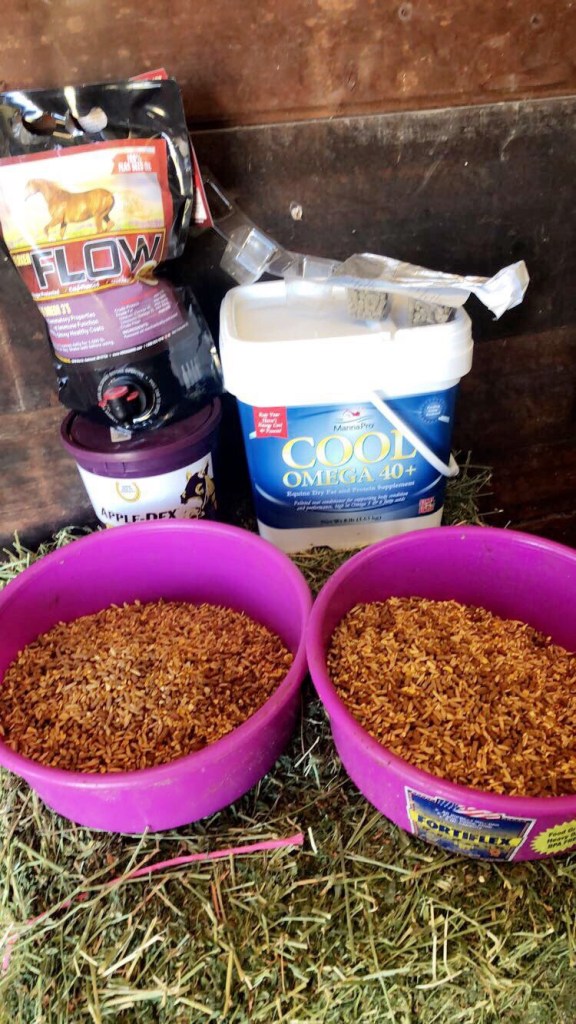
With me, I used Horse Guard products for many years and swore by the Super Gain when I was rehabbing multiple horses. I saw amazing results and always thankful for their sponsorship. Then I found that Dac Bloom worked better on some of my halter bred horses so I used that for a year or so. Now I use horse guard Flow which is a flax seed oil and amino acids, Cool Calories all mixed with their usual grain and Smart Pak vitamins. I also give them electrolytes after days of hard work to replenish their bodies after they sweat a lot. This new formula has been great to get the winter youngster back on track and looking good!

I’m not biased on using any one product whatever works for you stick with it but be mindful of your horse’s needs as they may change and what worked before may not now.

Just be careful of high sugar, lots of corn and molasses feeds as they cause strain on the horse’s GI system and could provoke a different demeanour than intended.

Get sloppy!

So there’s a time and a place to stay clean but sometimes it’s a better idea to go outside instead of staying in the arena.

In Oregon we get a ton of rain. Most of us board where and indoor arena is or have one ourselves if we are fortunate enough. Schooling in the arena is a daily routine for us but sometimes it’s good to switch it up!

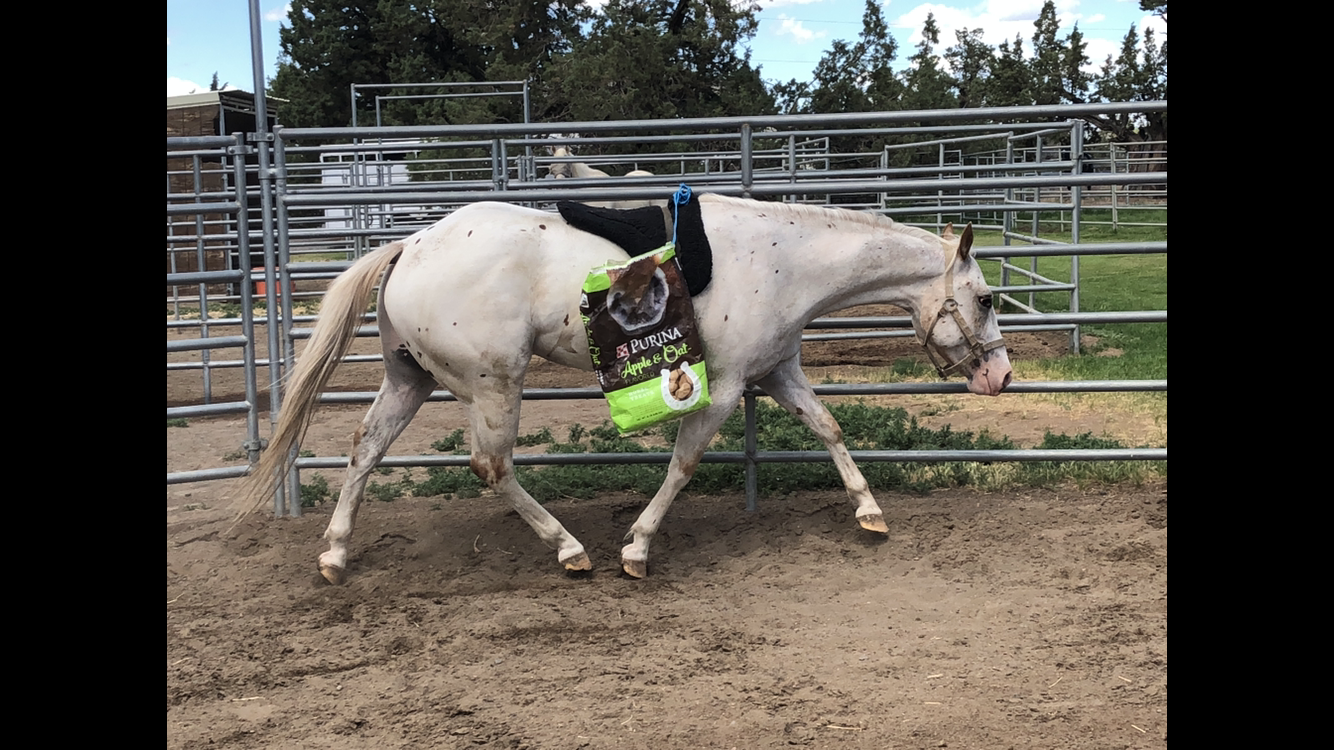
My gelding is what I call, a “princess”. He hates water, mud and getting his toes wet. Trying to walk him through puddles is impossible he’s stubborn and avoids it. So we thought outside of the box or arena persay!

What helps my youngsters get over their fear of puddles, water or just getting them out of their prissy bubble, I like to lunge them in a sloppy, soupy round pen. All horses can benefit. Yes it’s going to make your horse dirty but if it’s a sand arena it will brush off when it’s dry.

Mind you I spend 90% of the time lunging the horse only at a trot then a few canter laps each way before ending the lesson.

After lunging in the soupy round pen my horses willingly went through puddles when they wouldn’t touch them before.

Have fun, switch it up and keep them learning new things in new environments!

I can’t seem to stress this enough and it’s a common thing almost everyone does!

When lunging, STOP! (Read that again, and again).

When lunging your horse in the round pen quit asking the horse to slam on the brakes and turn away from you! It’s not good for the horse, it’s not productive in any way, if you’re riding it’s similar looking to a roll back but they are not alike at all. Rollback requires a nice STOP on the hind end then crossing over in the front, remaining on the hind end until pushing off to head the other direction. This round pen action is just simply you cutting your horse off in mid stories, no prep time, no warning and the horse scrambling to move away.

Instead of doing this just ask your horse to stop and stand before reversing and let it take a break before asking it to reverse direction. This will get your horse on its hind end faster than whatever train wreck y’all are trying to accomplish by this amateur maneuver (and 90% of you are guilty of doing it). This incorrect action will cause your horse to have anxiety and a lack of respect in you because your lack of allowing the horse time to process what you’re asking. You’re basically showing the horse you’re on a power trip and they don’t know what they did wrong.

Save your horses legs and brain but just letting them STOP. Your horse will start moving more relaxed and start lowering its head because it’s confident and trusts you will give him ample time to process then react to a new cue. You’ll notice your horse will enjoy lunging much more once you do.

Does your horse have an embarrassing tail?

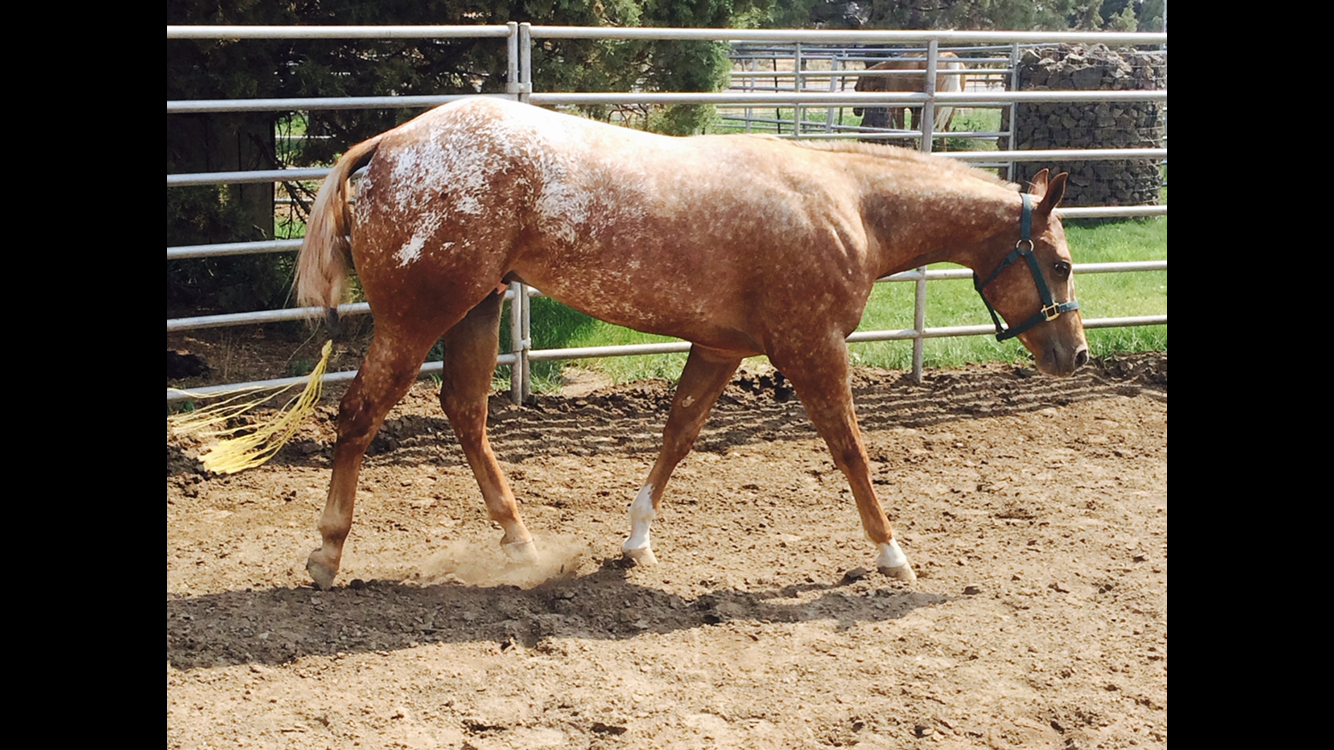
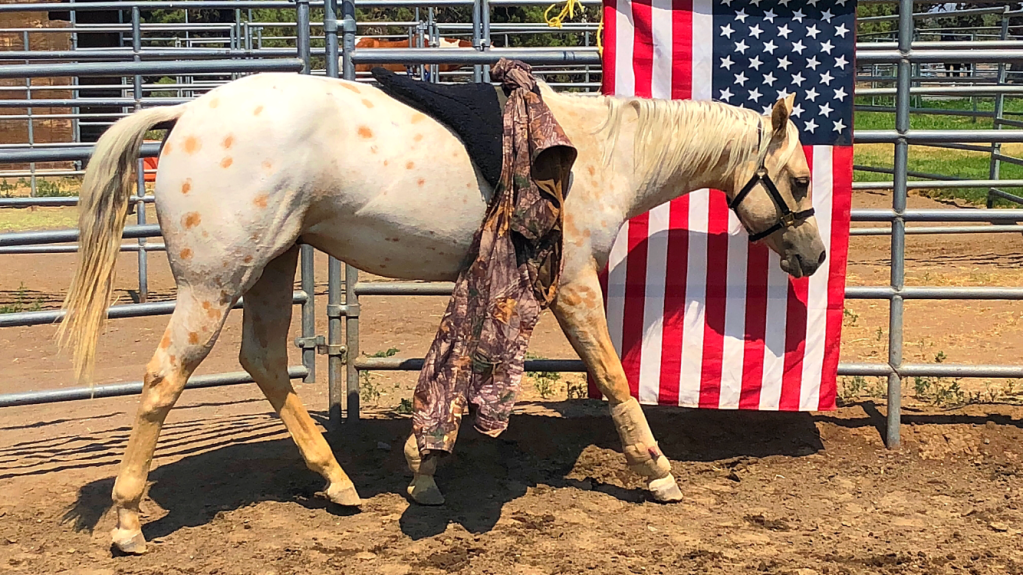
We all have or know of the horse with a pathetic tail. Usually found in Appaloosa horse but also in horses who have rubbed them out or had them chewed off. This will help your tail troubles and keep your horse comfortable in fly season!

First of all have fun with this, you’ll need a hair tie or rubber band, vet wrap of your choice and bailing twine.

Braid the tail, roll the tail up through the braid at the top then wrap with vet wrap. Bring the wrap through the same hole you brought the braid through. This keeps the wrap on. Then secure your bailing twine. Make a loop in the twine and run your wrap through it and continue wrapping the tail until the wrap runs out.

Don’t worry if it looks funny you’ll get better at it over time. This wrap can stay in for multiple months! In the winter I don’t add twine. Now you have your horses tail protected so it can grow, and a fly swatter to keep them comfortable. Make sure you are feeding proper nutrition and the tail should grow back to its normal thickness as before. Appaloosa owners you just might as well get used to this wrap your tails are not in the mail lol.

Function over fashion but I like the colored twine it’s fun!

Take your shoes off and stay a while

We’ve all heard the term “take your shoes off and stay a while”. What does that mean in regards to horses? Well, we live in a world of instant gratification. We want something we usually have the means to make it happen right away. Not with horses. Horses are on their own time. If you don’t have patience they will teach you otherwise and usually the hard way.

The lesson here is about settling a new horse into the barn. There’s a process. Yes letting them relax in their stall a few days with turn out to stretch and roll and play is all well and good but there’s more to it. Horses will be most comfortable where they spend the most time. In their stalls but when you let them stick to that too long then want to go outside they are herd bound and barn sour. We get frustrated but why? We created this monster. You can avoid all of this by bringing the horse around the barn after two days of acclimation. Let them graze away from the barn, scratch and love on them. Talk to them. Be the buddy they seek comfort from. Once you establish this you’ll never have herd bound or barn sour problems!

Be patient, make short visits around the barn in the beginning to avoid overwhelming the animal. The goal is comfort and relaxation. No force. No fear. In a week you’ll see a huge difference in the horse, your relationship with the horse and the horses confidence in his surroundings. Now you can start working them. They are ready and they are thankful you took the time.

Letting them go

In order to train a good horse you must first give them part of your heart. When it’s time for them to go to their new homes they take that part of your heart with them so you both remain together forever.

No force, no gimmicks just results!

My horses are all basically the same under saddle. They of course have their own personalities and differences but once you can ride one you typically can ride them all unless the horse only likes me (I have a few of them). That being said, every trainer should say the same thing that once you can ride one you can ride them all. We have a recipe for success and stick to it. My recipe is no force, no spurs, no tie downs, no gimmicks.

If you do your homework on the ground and “set them up to succeed” you will have a much easier job in the saddle and both you and your horse will enjoy the ride. You want your horse to enjoy being ridden and look forward to it. Don’t make it miserable for them by riding them to a sweaty lather and poking them in their sides with spurs until they are swollen and tying down their heads to force a pretty picture. That’s going to chase away any “try” or respect your horse has left.

Horses can feel a fly on them and twitch any part of their body to get it to fly away. Why do we think spurs are a needed tool?! Horses use their necks to keep their body balanced. Why do we think tying their head down will teach them to collect? Why do we feel we need to ride the horse to a sweaty lather in order to achieve a result? WE DON’T!! STOP DOING THESE THINGS! Train with softness and understanding and you will get the same in return. Take the time.

Long and low

There’s a difference between collected and rounded. Collected is a forced position that is all too commonly confused with rounded. Rounded takes twice as long to achieve, its the product of multiple steps leading up to it and its noticeably more relaxed and natural.

The problem is that people see a horse in “frame” and want it so they force it. This will cause sore muscles, more chiropractor visits and a hard mouth in time. If you take your time and work on softness first and natural collection you’ll achieve a much prettier picture, a fluid movement, rounded and understanding partnership with your horse.

The forced collection is still hollowing your horses back and causing stress points at their withers and poll. Most commonly I see horses over collected or “behind the vertical”. The horse can’t see once his face is cranked back.

A nice rounded horse moves naturally, comfortably and relaxed. You’ll also see the partnership between the two in this case with rider it seems the rider barely cues the horse and instant softness.

Take your time, do your homework and it will all fall into place 🙂