This stage is very crucial for any wild or unhandled horse. Getting their hooves trimmed has to happen ASAP to keep them comfortable. It’s one of the hardest things for a horse to learn to accept us holding their legs up. They’re instinct is to run away from confinement or force. They know they’re vulnerable if their leg is stuck. In the wild that could mean life or death. Showing them it’s ok to have their legs held up happens over time with short sessions getting longer so they don’t feel trapped. Little Miss Mollie did so well you wouldn’t know she was wild just a few months ago! Very proud of her progress and the farrier wasn’t inconvenienced by a hooligan toddler which is always a bonus when they don’t mind coming back haha!
Teaching Mollie to smile!
If a horse shows a liking to smiling I’ll make a cue so they can learn to smile on command. Mollie loves it! Look at those pretty baby teef!

Mollie’s first time with the bareback pad!
My recently wild, mustang filly learning about having her first cinch around her and wearing the bareback pad 🙂
My youngsters will learn to never be afraid of things on or around them and these things also help my horses bond to me and get more trust in me.
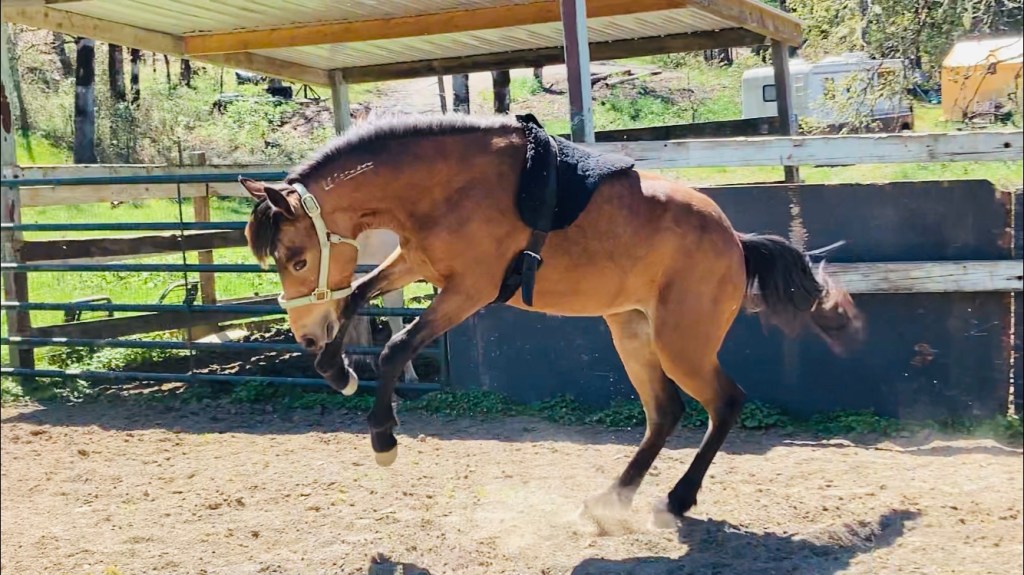


Be wise desensitize!
My recently wild mustang yearling from South Steens HMA with the tarp today! NO HALTER! No force, just trust!
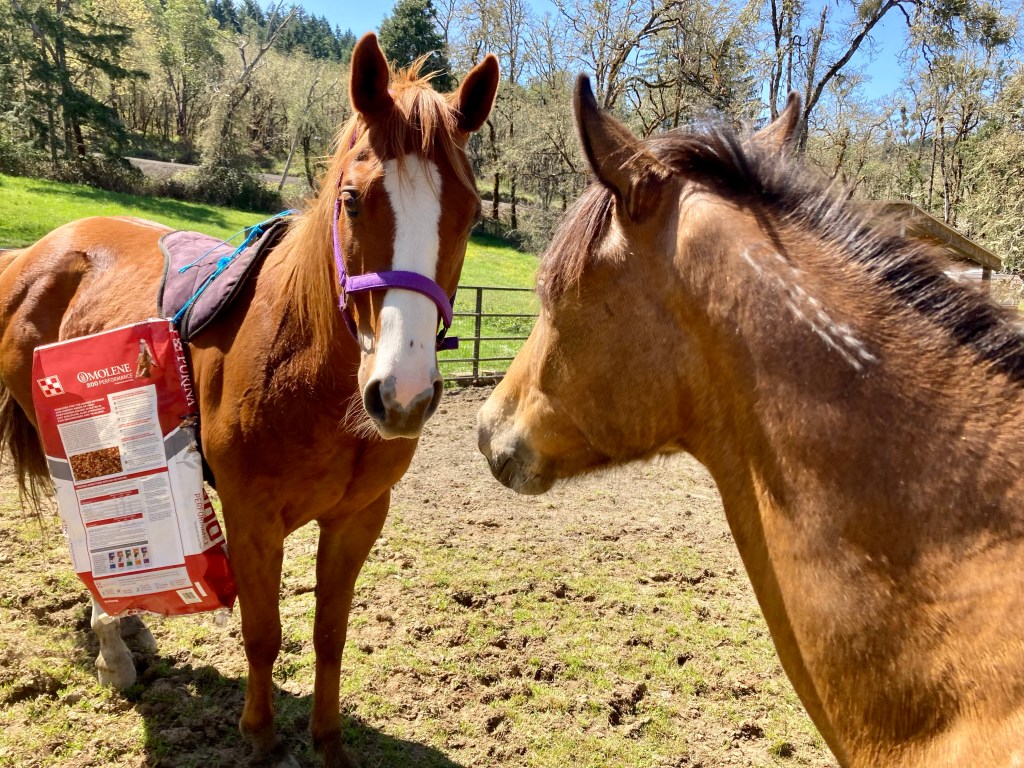
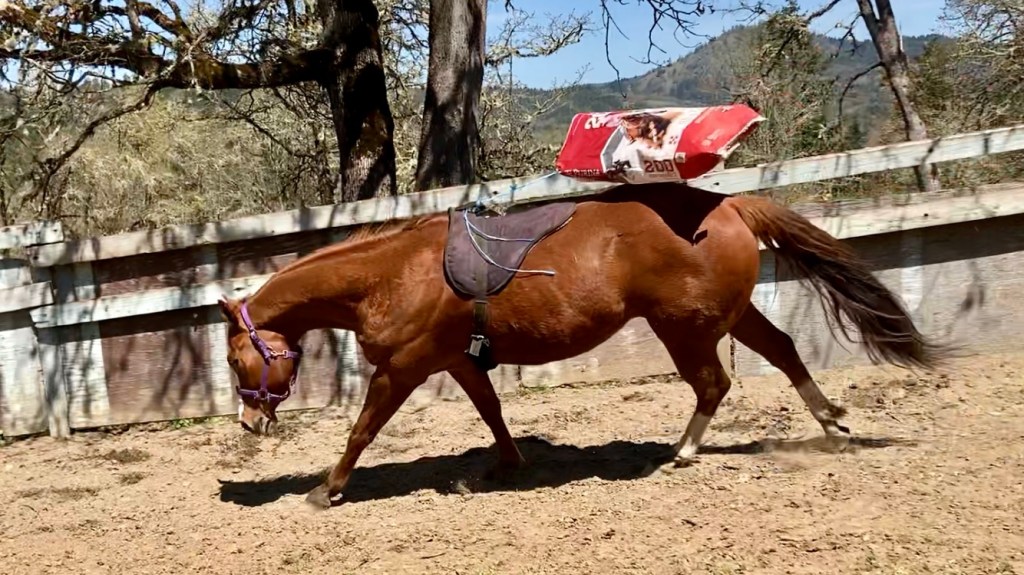
My training assistant is a horse!
Leonard has been helping me train horses for 4 years and he loves his job.
I get the wilds or youngsters used to bags by using Leonard to show them it’s ok. I teach the wilds/ youngsters to free lunge with him too and to introduce them to voice commands stop. Leonard teaches by example and it makes learning fun for the horses in training.
Leonard is calm, tolerant but he also lets them know he has boundaries. He teaches them respect and space also.
He’s a special horse and I’m blessed to have him as a helper.
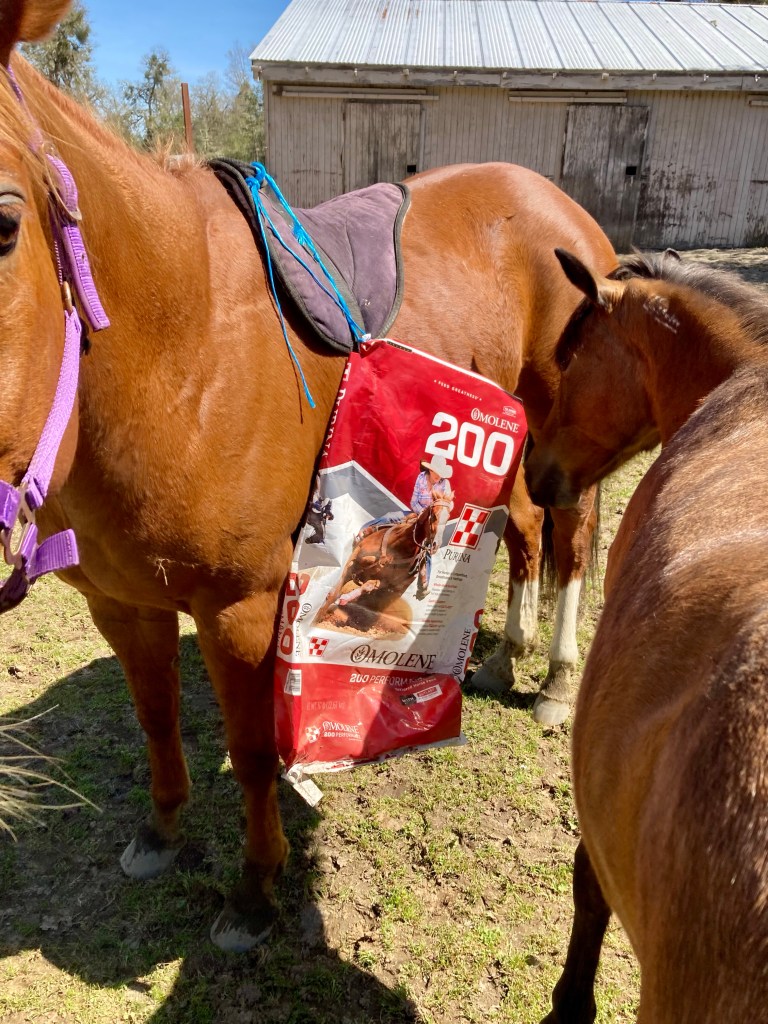
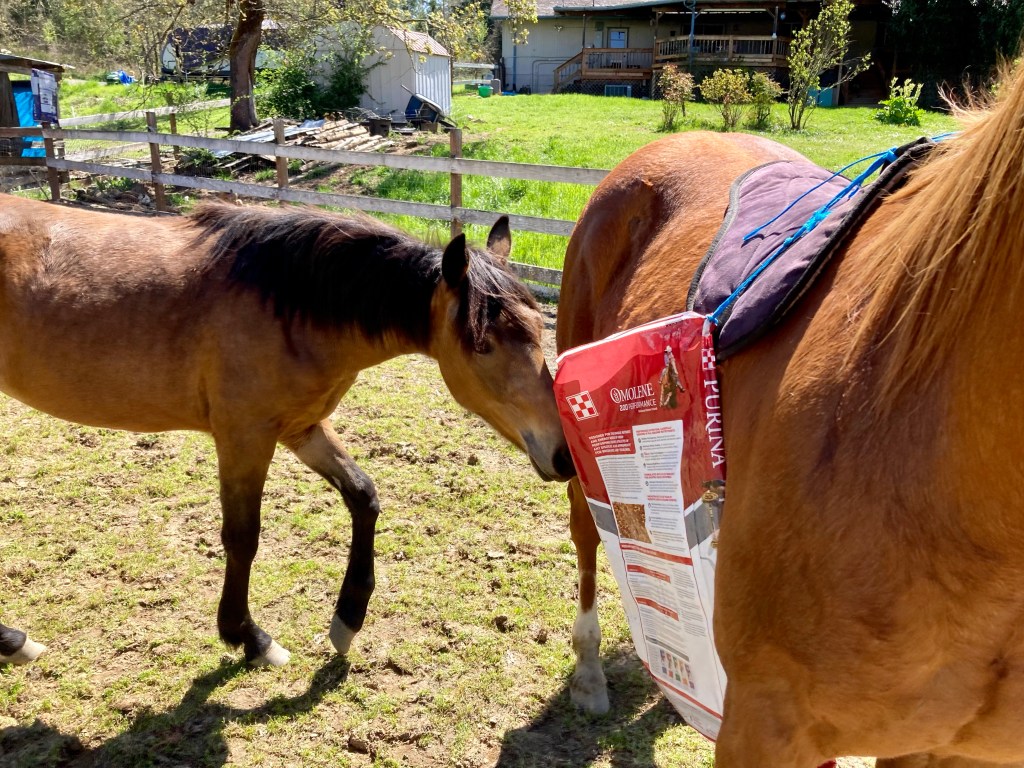


Mustang Mollie! Tag #7677
Her first two days in training we are already leading, picking up all four feet and lunging!
Follow her journey from wild to mild!
We will be doing almost everything at liberty, which means no halter, no force. If she feels she needs to run then she can. I want her to WANT to be with me not because she’s forced to.

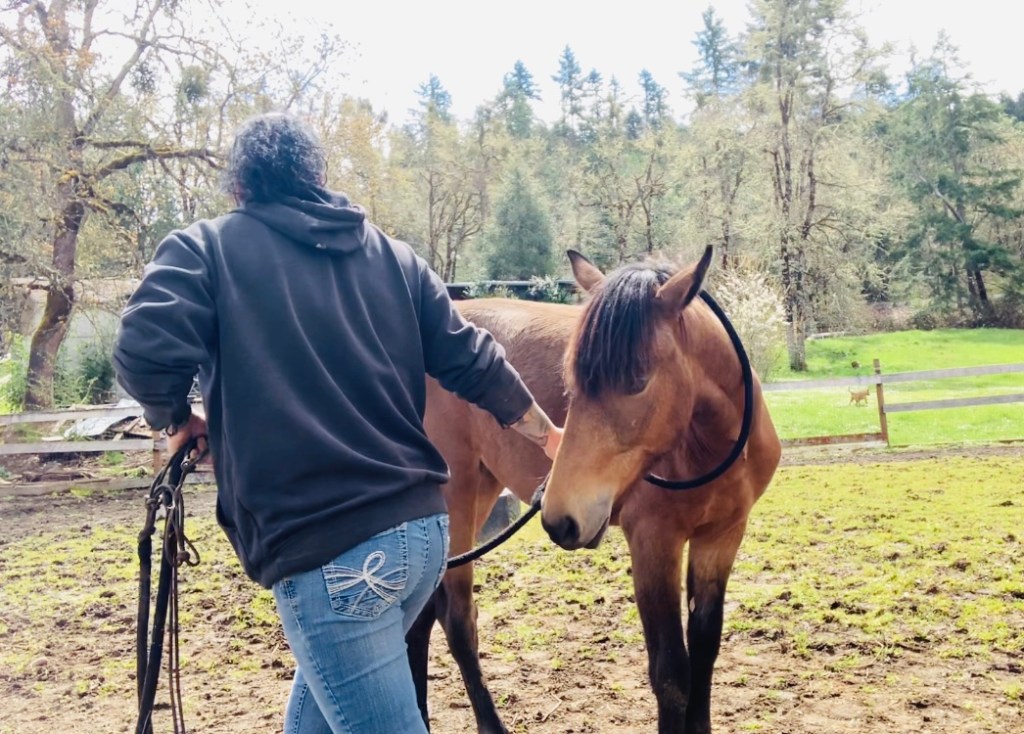
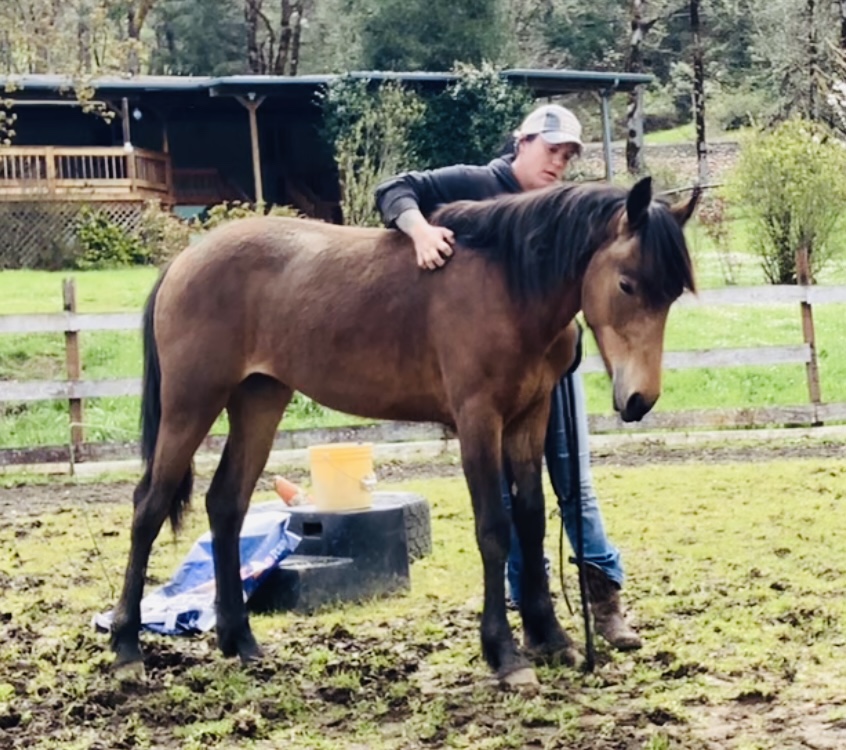

Sam my mustang and his first time with a cinch around him and things hanging off
Sam spent 8 years running away from things to keep him safe. Now he’s learning he doesn’t have to and he’s can trust me that I’ll never hurt him.
Lots of steps go into training a wild mustang especially an “aged” mustang who only knows how to be wild.
Aged mustangs take more time, patience, and skill than the young ones.
It’s so rewarding earning their trust and establishing clear communication.

First un-haltering on Sam
My wild, 8 year old mustang Sam and I his first week with me two years ago.
Trust was accomplished and lots of patience before attempting to take his halter off.
This is a big step for a wild horse because he can be harder to catch without a halter but I had him following me before removing it so I no longer needed a halter to have control over him. It’s trust and clear communication never force. He listens to what I ask because he trusts me.
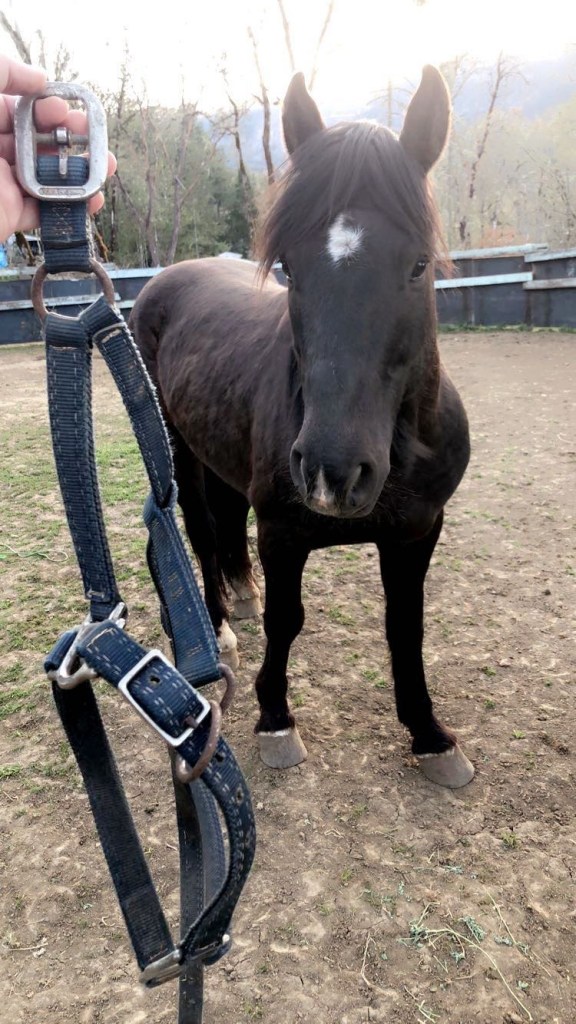
Blanket leg straps
Blanket leg straps, you’ve seen the blanket falling off of some horses and some blankets seem to never move!
Well, this is why, the leg straps keep the blanket from sliding to one side. The straps are NOT meant to go around each hind leg.
There’s three ways to do the leg straps, around each leg (incorrect), then crossed is better but still not as good as looping them. what I mean by “looping” is you put one leg strap around one leg (I know I said not to, but bear with me here) then the other strap goes through the one already around the leg. This means both ate looped to each other. No rubbing, no discomfort and no blanket shifting! Yay!!
It’s impossible to know all the tricks but, this one is a handy trick to keep. It will save you lots of $ on replacing blankets after they’ve slid off and stepped on and ripped etc.


Spring has sprung!
Spring is here! Keep an eye on your pasture puffs! The grass may be short but the bright color means the shed is at the top of the blade. If horses eat too much fresh grass they can founder even if they live on pasture.
Check their feet to see if they feel warm and for a digital pulse on the sides of their pastern. If you find heat or feel a pulse, pull the horse off of all feed for 24 hours just water available and let the sugars process through their body. They will have loose stools.
Stalling at night, no feed and turn out during the day is best. The grass is richest at dawn and dusk due to the dew level being higher.
Happy trails!

 J Randol horse training