Flying changes take many steps before actually achieving the end result. First, to work on the simple change, then the interrupted change, the counter canter, add in a ground pole to help him get under himself enough to successfully execute the change. The time it takes to get these steps done depends on the horse. If we run into something not in the plan, we’ve got to work on that until that hole is filled so he’s got solid knowledge.
The first day we worked on going over the ground pole and not hesitating (he’s very careful and never wants to mess up so he micromanages me lol). Then we worked on loping one way, stopping then loping the other way. We worked on picking up the lope more quickly that he’s used to. All of this is done in the snaffle since we are schooling. He has graduated into the big boy bit but for schooling like this he will always be brought back down into the snaffle for the best set up for him to to succeed.
This level of training is the most advanced thing he’s ever learned so it takes a lot of repetition, patience and a sense of humor to get there. It’s exhausting fir me as a rider as well! LOTS of leg is needed and oh man, am I tired as well by the end of it lol!
Enjoy this journey with us as we work to achieve the flying change also known as the “skip”!
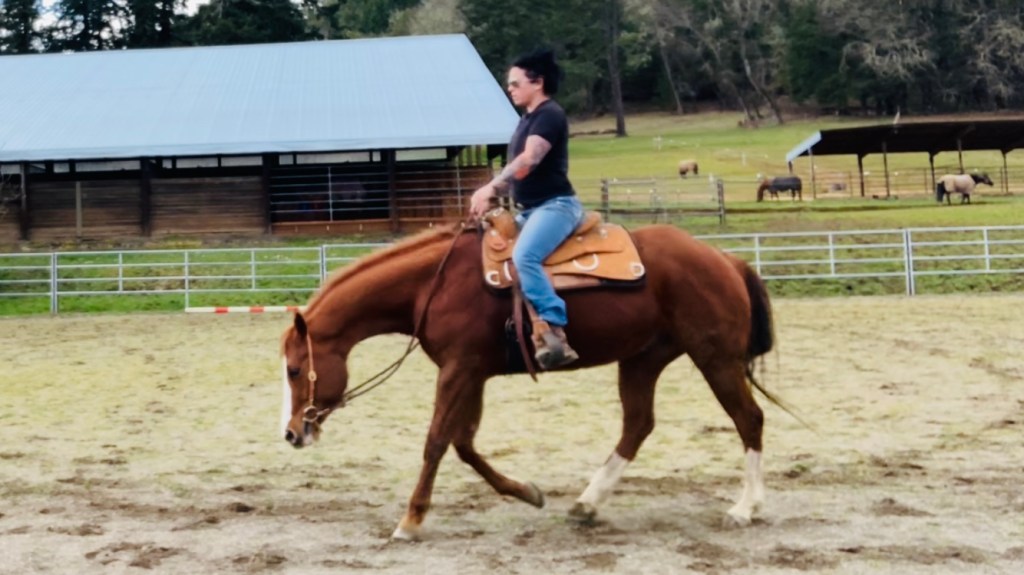
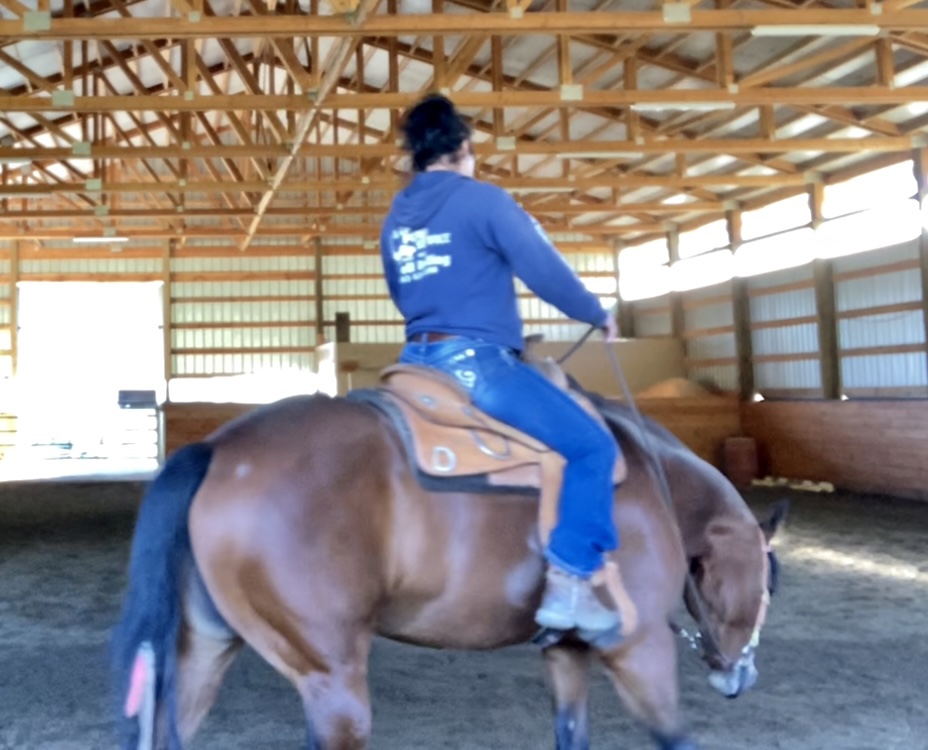
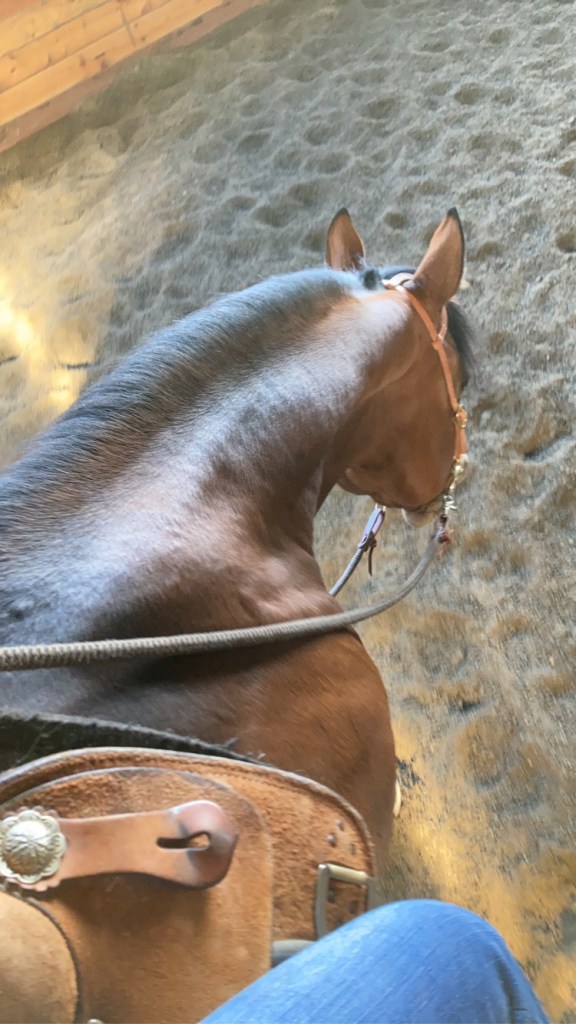
Maintaining softness this whole time is key as well so he doesn’t lose track of his body. We need all of his balance snd coordination for this advanced maneuver. Note the loose rein, I want him relaxed and not rushing into the new cues he will be learning over the course of his training journey towards the flying change.
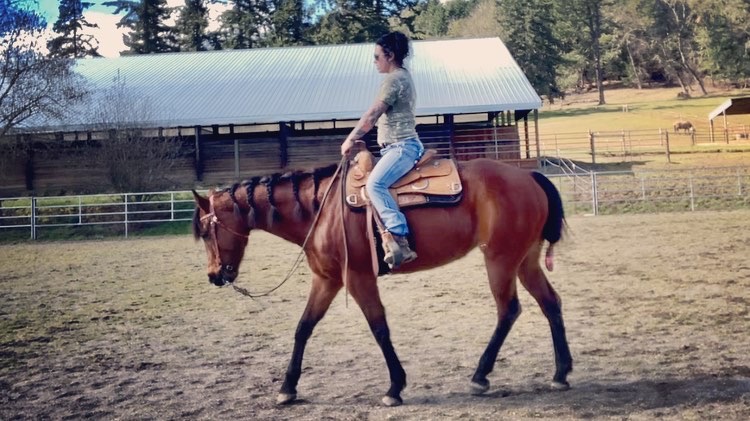
Jordan was transitioned into the more advanced, short shank snaffle bit and now being ridden one handed!
It took her just a 10 minute schooling session so she understands the different pressure and she realized what I was asking. She got into the groove right away and traveled out perfectly!
We have been working on neck reining slowly for years. We worked on softening for years, so the transition to neck reining wasn’t anything to “write home about” to mister Leonard.
He accepted the new bit and the different pressure didn’t phase him at all! That’s how it’s supposed to go when you do your homework right!
When introducing something new, always have more familiar things they can fall back on if they encounter confusion. This creates a solid foundation and “sets the horses up to succeed!”
Leonard’s second time riding in the shank bit and neck reining, cruising around like a pro!
The transition into the “big boy bit” takes time, years to do it right. But today all the pieces came together.
He’s soft, listens to the pressure like he’s done it forever! That’s how it’s supposed to be! New things aren’t supposed to feel new to the horse if you set them up to succeed! That’s exactly what happened today and the horses calm reaction to new things will let you know you did your homework correctly.
Today was day 1 of Leonard now being a “senior horse” in shows since he’s 6 years old now he’s expected to know enough snd be ridden one handed. He made me very proud today and took it all in stride!
Patience, consistency and immediate gratitude towards the horses slight try. I’m constantly petting their necks when they’re doing well.
In the winter we blanket our horses to keep them cleaner, and dry. But it’s also very important, especially here where the winter is 6-8 months of wet, cold, muddy… Oregon. I blanket typically from November to May. It’s important to get their blankets off a few times a week to brush them but also to take the blankets off completely for a few dry days to let their skin breathe. This helps them get muddy, roll, get all the itchies and to let their coat FLUFF!
Horses coats aren’t meant to be flattened like the blanket does. Their natural response to elements is to fluff out. This means their coat looks like it’s standing on end. It’s a good thing! That’s what keeps them warm and dry. Yes they’ll be mud muffins but nothing a short brushing with a curry comb before putting the blanket back on won’t hurt.
Remember, when putting the blanket back on, NEVER put it on a wet horse. Make sure they’re dry. If you do blanket a soggy pony, you are welcoming bacteria to breed, this causes rain rot and their hair eventually falls out and it’s painful to the horse. So it’s best to avoid all that and if it’s raining, they don’t have their coat on, it’s ok. Wait for the next dry day.
Softness is sometime commonly referred to as a “head set”. Which is like comparing oil to water.
A “head set” is forced, uncomfortable to the horse and achieved quickly. and incorrectly by forcing the horses head “down” which isn’t down at all it’s a stiff neck and hollow back and pinched throatlatch.
Softness is first achieved on the ground, preparing the muscles and showing the horse what we are expecting and helping the animal move correctly and comfortably first before ever asking them to soften under saddle. Softness takes conditioning, consistent release when they’re doing the right movements and short rides so we don’t make them sore. Just like humans they’ve got to get used to working new muscles also. Be patient and all good things come to those who wait.
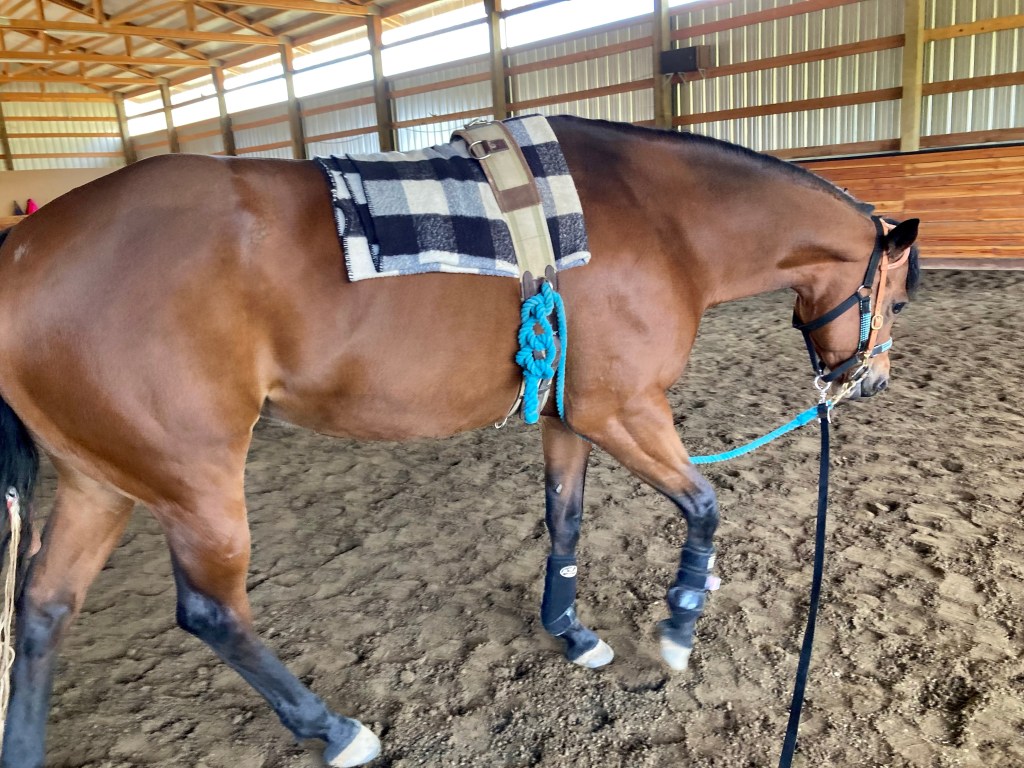
Once the horse learns to carry themselves correctly without a rider then we put the surcingle on, a very soft bit they like, I prefer to use copper Snaffles. Then with just the inside rein tied loosely to the surcingle let them travel normally like this so they get used to the feeling of just the loose rein on them. Reverse and switch the rein always to the inside bend of the circle. Once they’re used to that just bring in the slack on the rein and send them back out at a walk first then a trot I never do this at a lope. Then little by little tighten it so they feel the pressure and find the release on their own JUST AT A WALK. Don’t force speed until the horse is very soft at the walk and dropping their head and carrying themselves with an inside bend. Then introduce the trot and don’t tighten anymore. Only tighten to where the horse feels the pressure and starts seeking for the release. When the horse rounds out it’s back and drops it’s head he will realize what is being asked and will start to soften.
Once softness is achieved from the ground then we apply inside rein and squeezing with our legs to ask for softness. Your legs will get tired fast. End on a good note and release at the slightest effort. The next day, do your groundwork again the same way, easing the horse into softness then once achieved, saddle up and review until the horse gets softer and softer everyday.
Softness at the lope is the hardest part it will all come with time don’t worry. Once the horse is ready to add speed they’ll let you know. They’ll be very soft in your hands and ready to “level up”.
Be patient this doesn’t come right away it takes months sometimes years but that’s how you get a quality trained horse v.s a forced and rushed horse.
It’s the best feeling after all the hard work and the horse is soft at all gaits and happy. My horses do it now just slight pressure of the inside rein and slight leg (depending on the horse).
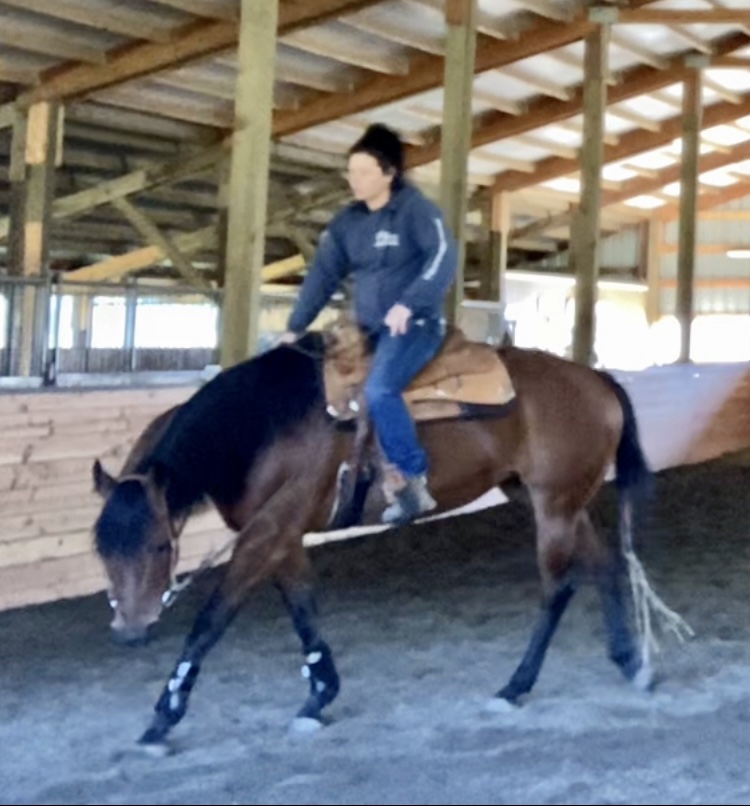
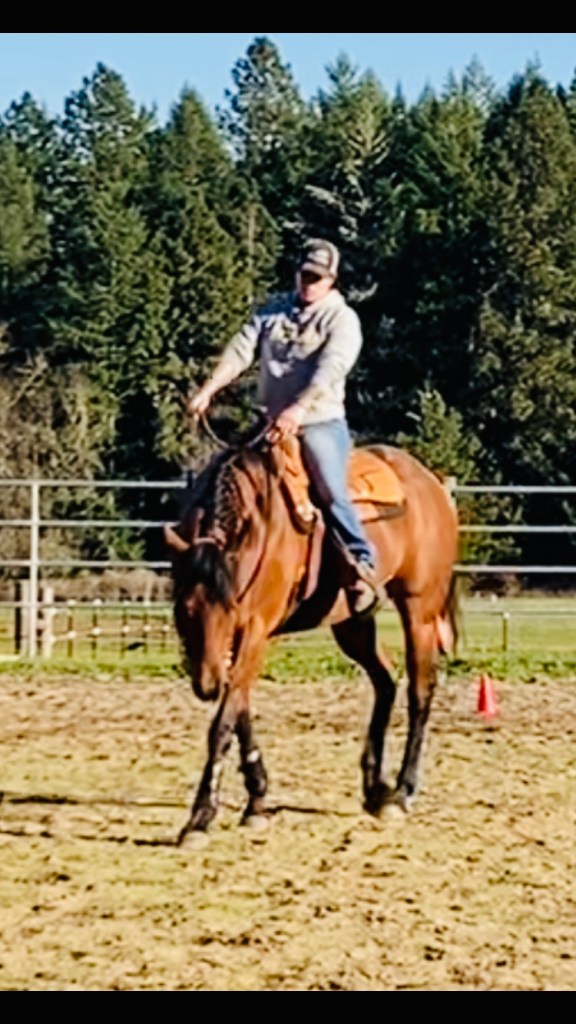
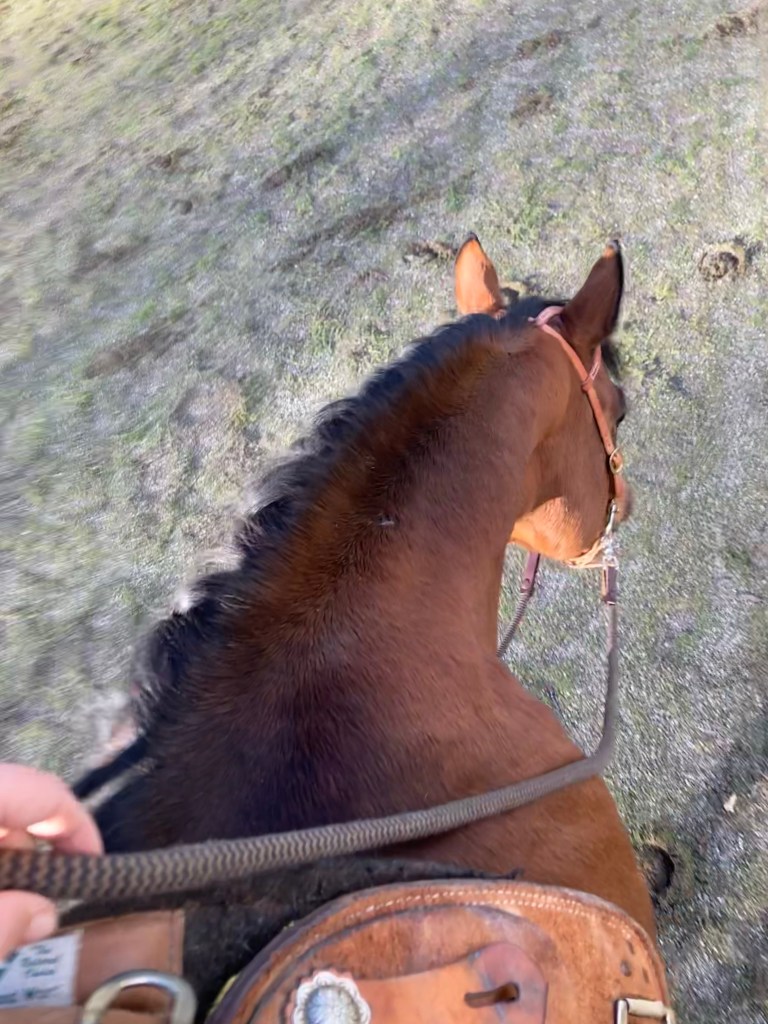
First achieving softness on the ground on their own to build up the muscle needed before progressing to the next stepThis is Jordan as a yearling. She’s been taught to carry herself this way for years so her muscles are used to this carriage.Now with the surcingle, loosely connected to her mouth no contact and emergency quick release to the d ring on the surcingle. Slightly more contact and that’s where she found her softness so I didn’t tighten it again. Always at the walk first, let them get used to it and find the release themselves. Soft under saddle at the walk we don’t Fukushima speed until the horse is walking, inside bend, and dropping its head with slight pull from the rider. I prefer just wiggling my fingers.Inside rein, inside leg, demonstrated here.Note the roundness in the horses neck this is what it should look like from the saddle. Adding leg and pushing into this frame will allow the horses body to round out also and engage their hind end.At all gaits eventually you want to see them consistently look like this with your inside rein and inside leg, releasing immediately pressure once the horse gives Here is my gelding Leonard, he’s more conditioned and advanced in his training. Here we are demonstrating the softness achieved at the lope.
I raised this baby as a weanling to yearling. I sold her to a young friend of mine. She did a great job training her and giving her a phenomenal foundation!
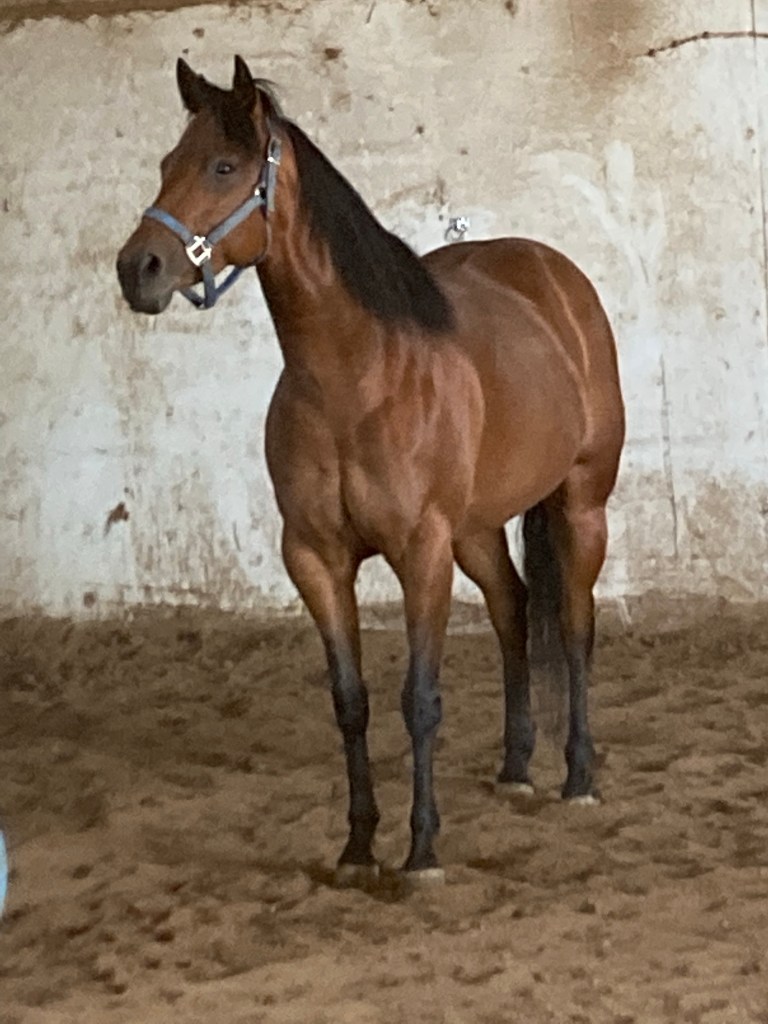
Jordan’s story is a rehabilitation story. She fractured her sesmoid bone in her right rear ankle. Bless her heart her mom went in with the surgery to remove the fragment. The surgery was done at OSU and was successful. It’ll be a long rehabilitation process but the vets were optimistic on her full recovery.
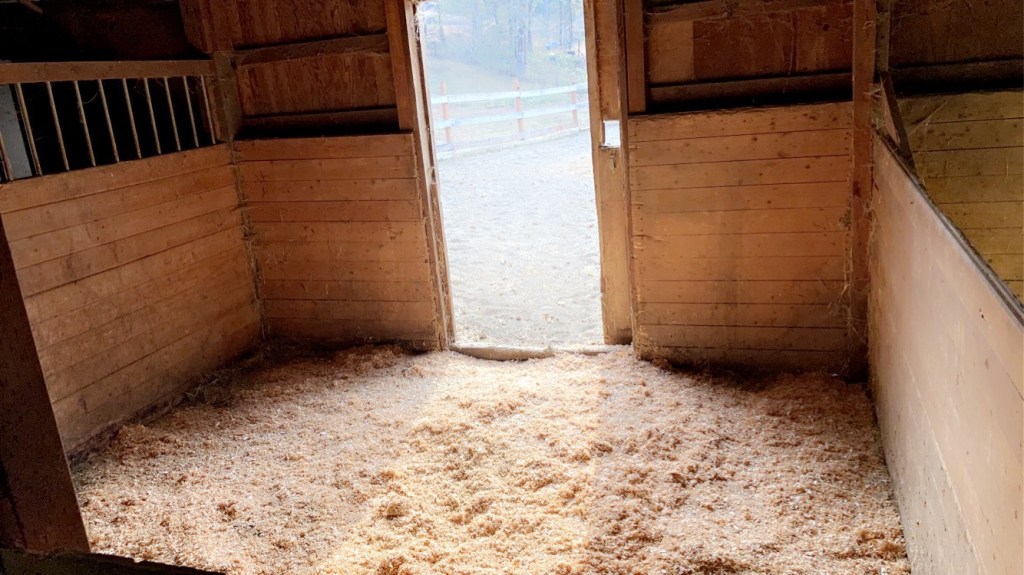
When I got Jordan home she had been on 4 months stall rest so she was pretty amped up. First stage was to put her in my stall with access out to my sand arena so she can run a little to get some energy out but not enough to hurt herself.
The next step after she got used to being able to go out or back into her stall without being a wild woman. It’s time now to move her to a bath that has flat pasture so she can move, have friends and get stronger. My pasture is just to slick and steep hills.
Once at the barn she was stalled at night, turned out during the day for a few hours to transition her to fresh grass since she hasn’t experienced it before. Shes always been stalled.
She’s sound enough to right lightly to start conditioning her back to normal.
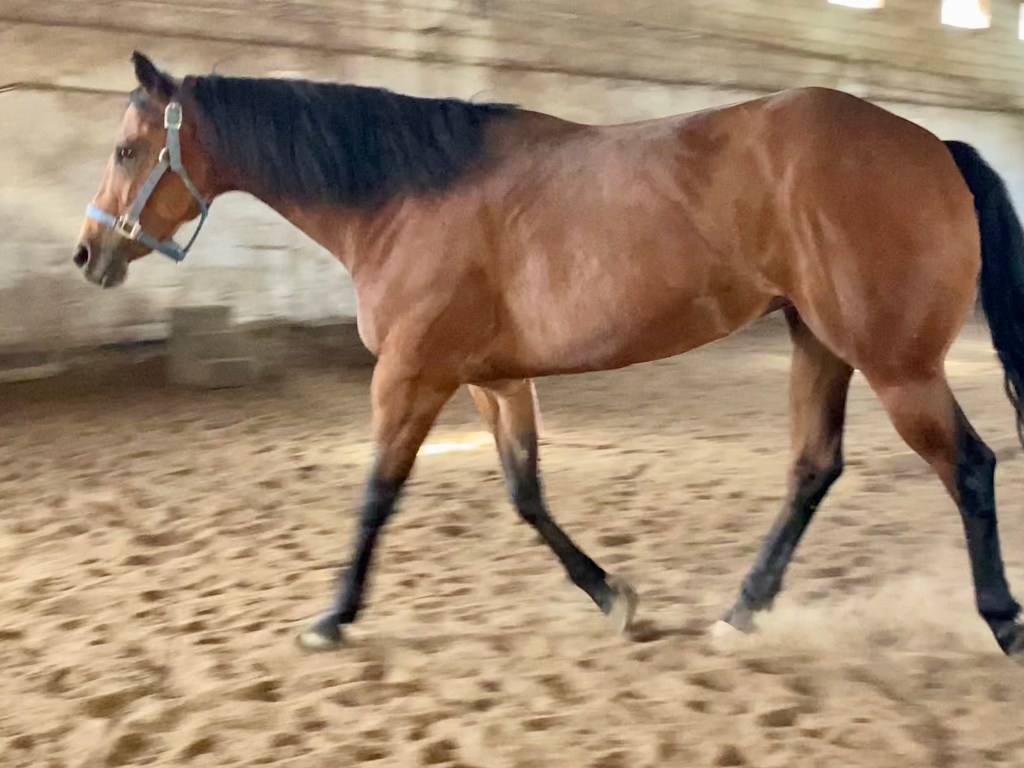
We lunge daily, lots of trotting and a little loping. Riding, we just jog snd work on bending both ways. She’s very stiff. Everyday she gets more Kimber but that’s a process as well. Having her in pasture loosens up her body as well.
Thank you for following her journey!
She will never be for sale.
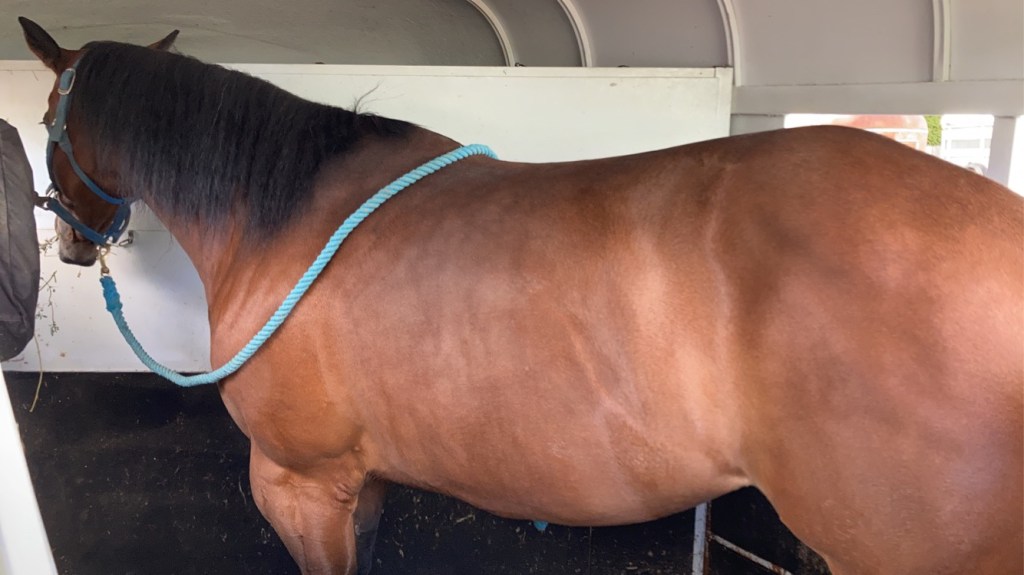
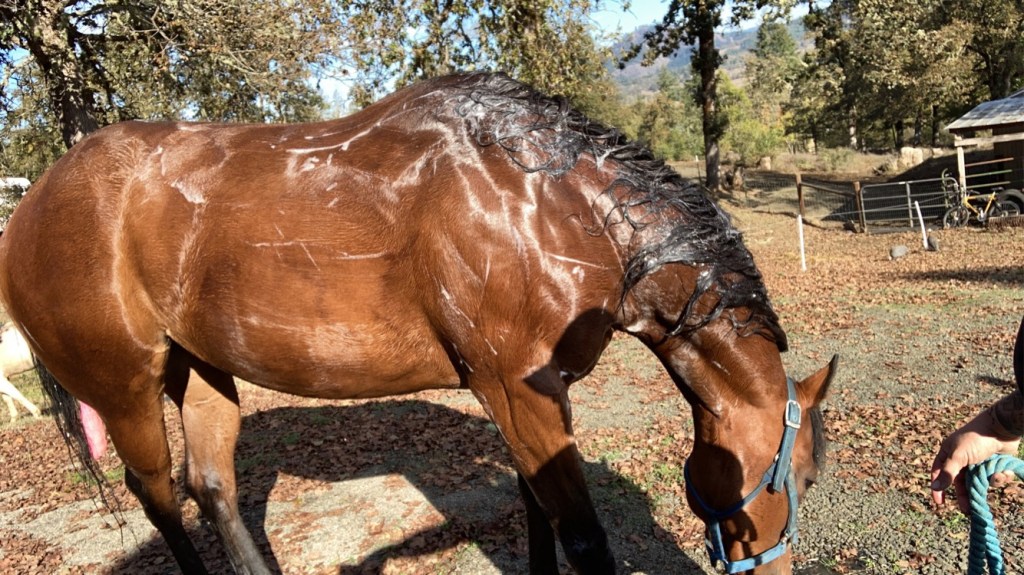
The day I picked her upThe day I picked her upShe’s so big my two horse slant is a one horse lolEnjoying her turn out at homeMuch needed bath to get the itchies off!Her suite at home until she moved to the big barn with flat pasture to be a horse for the first time with friends and strengthen her leg.Daily lunging! She’s still very stiff but everyday we work more on flexion and gets better little by littleFirst ride together! She’s stiff, worse to the right but that’s to be expected. She gets better everyday!Working on softening her face and body, achieving that inside bend to both sides has helped her so much!Third ride together, soft, supple, great inside bend to both sides!Very happy with her progress! Rehabilitation isn’t just one part of their body it’s all parts physically and mentally.Soft to a feel and happy expression! She’s happy to be back into light work 🙂
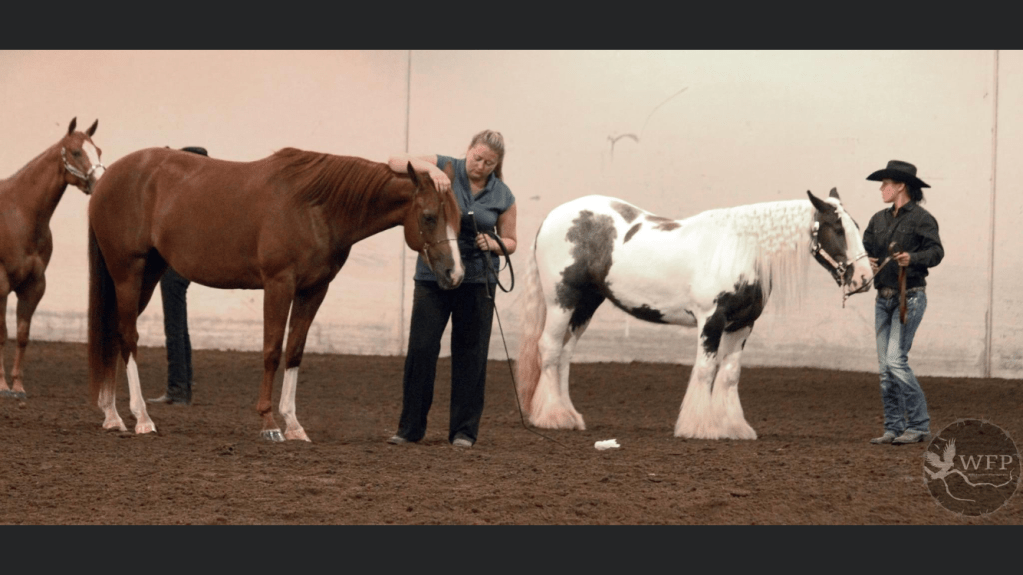
Showing my Gypsy Vanner Zena at county fair, one of her first shows under saddle, she surpassed all expectations and won so much all week! Including trail, English, western and reserve grand in halter! She was a mare I bought at 12 days old, raised, trained and sold when she was 6 years old to a loving family.














 J Randol horse training